

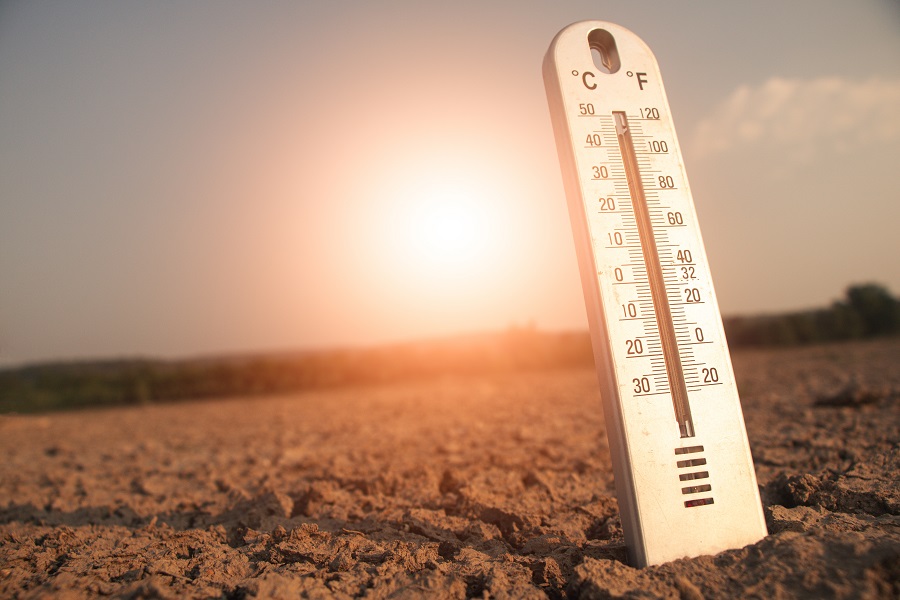
The Southwest is experiencing triple-digit temperatures, and extreme heat is now the world’s deadliest climate threat. Every year, it takes hundreds of thousands of lives, often with little warning. In New Mexico, where deserts and high deserts heat up in summer, experts say getting ready is the best way to stay safe.
Extreme temperatures cause more deaths worldwide than floods, hurricanes, earthquakes and wildfires combined. Reports estimate that between 2000 and 2019, as many as 489,000 people died each year from heat.
When our core temperature goes up, our bodies have a hard time coping. Sweating helps cool us down, but high heat and humidity make this harder by thickening the blood and putting more strain on the heart, which can damage organs. At dangerous ‘wet-bulb’ levels, sweating no longer works. Older adults, children, outdoor workers, pregnant people, and those with chronic health problems are most at risk.
In New Mexico, summer temperatures often climb into the triple digits in cities like Albuquerque, Las Cruces, and Roswell. The sun is strong, the air is dry.
In late summer, monsoon rains bring added humidity, making it even harder to stay cool. State health officials have reported hundreds of heat-related emergency room visits since spring.
The New Mexico Department of Health urges everyone to act early. Chelsea Langer, who leads the department’s Environmental Health Epidemiology Bureau, says it is especially important to watch out for those most at risk, like older adults, children, and outdoor workers.
“It’s going to be a hot summer,” said Langer.
Here are some important steps to help you stay safe during New Mexico summers:
- Rehydrate by drinking plenty of water before you feel thirsty. Avoid alcohol and caffeine because they can make you lose water faster in the dry climate.
- Avoid staying outdoors or in the shade during the hottest hours, usually from 10 a.m. to 5 p.m. Keep your blinds closed and use air conditioning if you can. Swamp coolers do not work as well when it is humid.
- Wear light, loose, and light-colored clothes, along with a wide-brimmed hat and sunscreen. Try to do hard activities in the early morning or evening.
- Check on your neighbors, especially older adults or anyone without air conditioning. Never leave children or pets in cars because temperatures inside can become deadly in just a few minutes.
- Know the signs: Learn the warning signs. Heat exhaustion can cause heavy sweating, cold and clammy skin, nausea, cramps, and dizziness.
If you see these symptoms, move to a cool place, loosen clothing, and sip water. Heat stroke can cause hot red skin, confusion, a fast pulse, or unconsciousness, and is a medical emergency. Call 911 right away and try to cool the person quickly. Many communities have cooling centers. The state health department also has a helpline at 1-833-SWNURSE for immediate help.
New Mexico’s dry air helps sweat evaporate more easily than in humid places, but the high altitude, strong sun and long stretches of heat still make conditions dangerous. Officials say most heat-related illnesses and deaths can be prevented by staying alert and taking simple precautions. Preparing now can help save lives during the next heat wave.

