

Heavy rainfall has flooded communities across New Mexico in recent weeks, disrupting travel, businesses and daily life, with forecasters warning that additional rounds of rain could keep the flood threat elevated through the season.
Emergency officials are urging residents to prepare before storms arrive and to take steps to protect their homes and families.
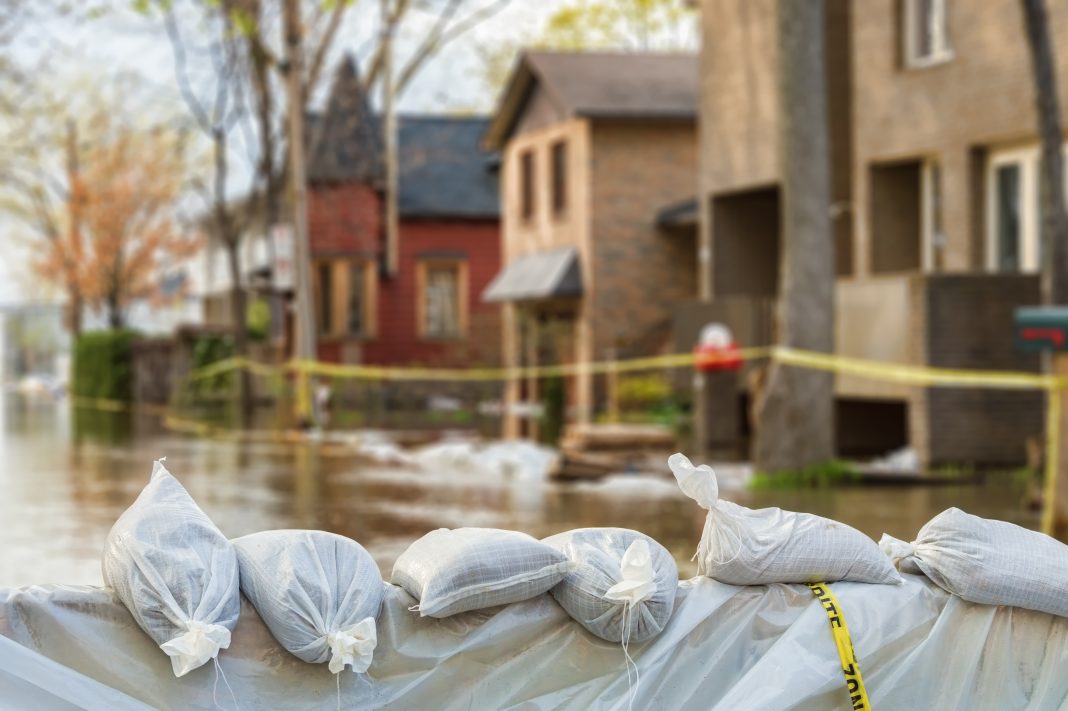
One of the most effective ways to reduce flood damage is the proper use of sandbags. According to KOAT Action News, officials recommend filling sandbags about two-thirds full and stacking them in a staggered, brick-like pattern. The folded or sealed end of each bag should face upstream to help block advancing floodwaters and reduce water intrusion around homes, businesses and critical infrastructure.
The New Mexico Department of Homeland Security and Emergency Management also encourages residents to prepare emergency supplies in advance.
“Having all of that stuff either in your car ready to go or somewhere near the door that you can just grab it if you get evacuated is going to save you a lot of time,” Danielle Silva said.
Officials warn that flash floods can develop with little warning. As little as 12 inches of fast-moving water can sweep away most vehicles, while even shallower moving water can knock people off their feet.
“Floods come really fast, and I think that’s something very important to know,” Silva said. “Flash flooding comes almost out of nowhere, and it only takes a couple inches to knock you off your feet.”
Residents are encouraged to heed flood warnings and emergency alerts and to enable wireless emergency notifications on their smartphones to receive timely updates during severe weather.
The Centers for Disease Control and Prevention recommends the following flood safety measures:
Before flooding:
- Monitor weather forecasts and emergency alerts for the latest conditions.
- Assemble an emergency kit with drinking water, nonperishable food, medications and other essential supplies.
- Move valuables and important belongings from lower floors to higher ground.
- Bring outdoor furniture, grills and other loose items indoors, or secure anything that cannot be moved.
- If evacuation is ordered, turn off utilities and natural gas if it is safe to do so before leaving.
While driving:
- Never drive through flooded roads. Turn around instead, as 12 inches of moving water can carry away most vehicles.
- Do not bypass barricades or road closures, as floodwaters may have damaged or washed out the roadway.
- Never drive or walk through moving floodwaters.
After flooding:
- Follow boil-water advisories and confirm with local authorities that tap water is safe before using it.
- Use bottled or properly treated water if a boil-water advisory remains in effect.
- Do not return to evacuated areas until authorities declare them safe.
- Operate generators at least 20 feet from doors, windows and vents to prevent carbon monoxide poisoning. Never run a vehicle inside an attached garage.
- Clean and disinfect homes affected by floodwaters and remove water-damaged materials promptly, as contaminated floodwater can spread disease.

