


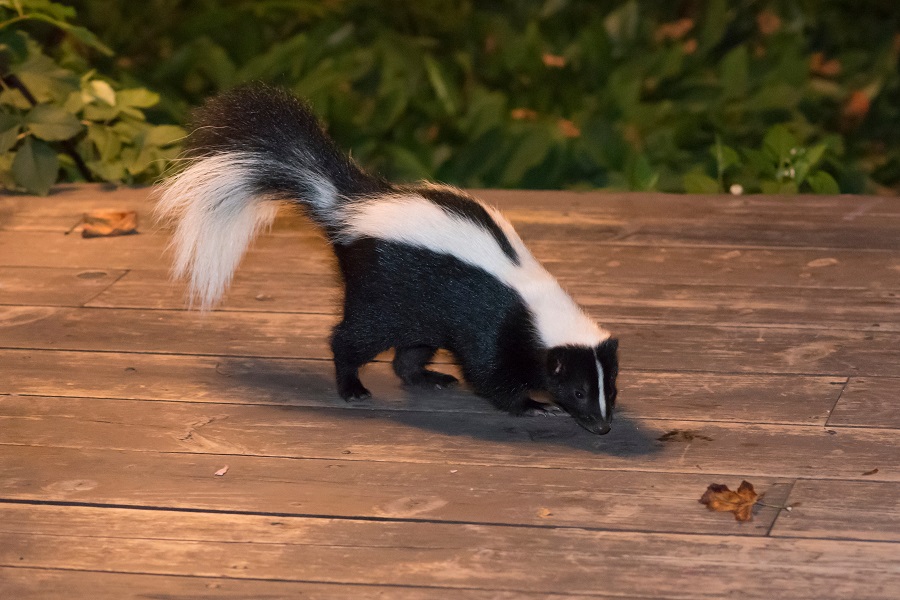
New Mexico has recorded 22 animals tested positive for rabies so far this year, marking the highest annual count recorded since 2019. These cases include a rogue fox in McKinley County, a trio of rabid skunks in Curry County, and 15 infected bats across the state from Taos all the way to Doña Ana County.
Dr. Erin Phipps, public health veterinarian for the New Mexico Department of Health, admitted experts are at a loss to explain the spike. “I do not have a good answer for why we’re seeing that increase here in New Mexico.”
The state typically records a total of 10 to 15 animal rabies cases per year. This year, however, bat cases alone have spiked to 15, doubling the seven cases recorded in both 2024 and 2025.
The bizarre surge comes as the U.S. Centers for Disease Control and Prevention (CDC) takes the rare step of issuing a national health advisory following a cluster of mass-exposure events nationwide:
- Petting Zoo Horror: North Carolina health authorities confirmed multiple rabies infections among baby goats at a mobile petting zoo, potentially exposing hundreds of unsuspecting children and parents.
- Beaver Attacks: A Maryland state park was forced into partial lockdown after aggressive, rabid beavers savaged two terrified park-goers.
The series of encounters triggered a 17 percent spike in emergency rabies inquiries to the CDC over the summer. At least eight state health departments are reporting a rush on post-exposure treatments.
Rabies is one of the world’s most fatal zoonotic diseases. Once an infected carrier bites a human, the virus initially triggers flu-like symptoms before it progresses to a severe neurological breakdown, including severe anxiety, confusion, aggression, brain swelling, and ultimate death.
Human deaths in the U.S. remain rare due to rapid emergency room treatment. Health officials warn, however, the lifesaving vaccine protocol carries a price tag of up to $14,000 per person.
Dr. Phipps urged the public to stay vigilant for “abnormal” animal behavior. He zeroed in on bats found crawling indoors or unable to fly.
“The average bat out there flying and eating mosquitoes is good for the environment,” Dr. Phipps said. “What concerns us is an abnormal bat. We’re not seeing anything that is particularly alarming per se, but we are seeing an uptick in the number of positive cases—and it’s a good reminder for everyone to think about their pets.”

