

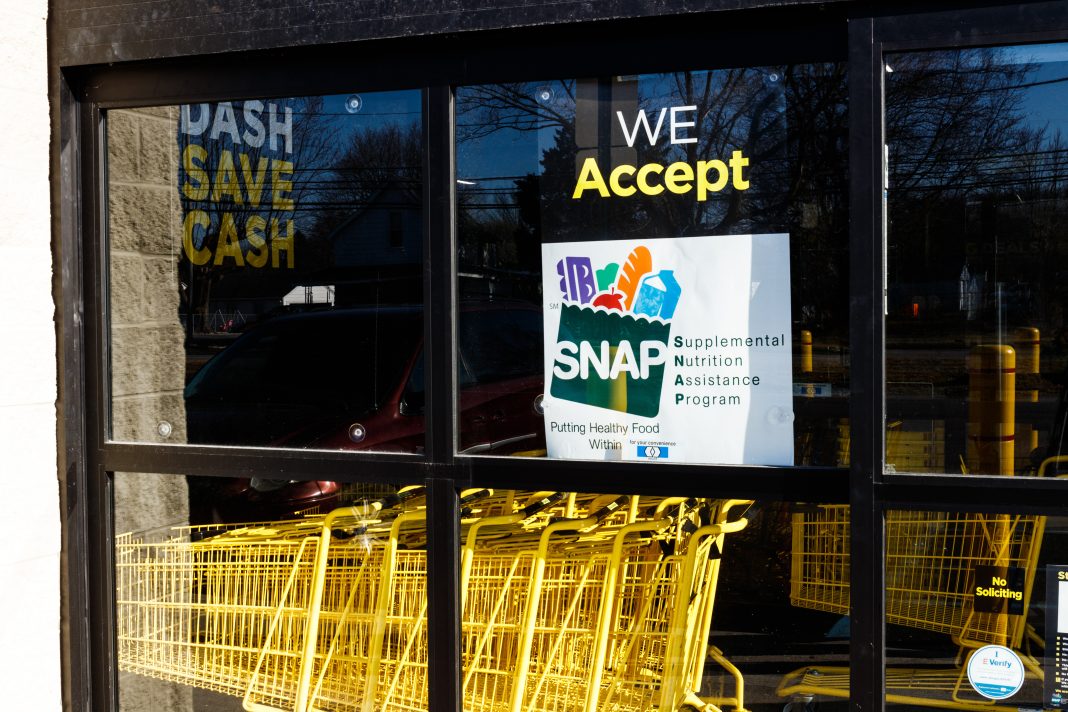
Recent SNAP changes sparked debate over how they will affect food assistance nationwide. Some people question the reported reductions, while others argue that the changes will not significantly affect SNAP recipients.
Research shows that SNAP can improve outcomes for families. The program reduces food insecurity, helps alleviate poverty, may lower health care costs, and supports local economies.
The SNAP changes tighten work requirements for adults up to age 64, restrict eligibility for some immigrants, and shift more administrative costs to states. In New Mexico, some citizens say no one they know has lost SNAP benefits. They argue that the government has not cut SNAP benefits but has instead imposed new federal guidelines. Others say the changes aim to ensure that eligible citizens receive benefits and prevent abuse of the program.
Our team did the research to fact-check what is true and what is not in relation to the SNAP changes so you don’t have to.
QUESTION #1: Does SNAP serve vulnerable populations?
What is SNAP? The Supplemental Nutrition Assistance Program (SNAP), formerly known as food stamps, is the nation’s largest federal food assistance program. It helps more than 40 million individuals afford food each month, or about one in eight Americans. SNAP is federally funded and state administered. The program is designed to be countercyclical, with enrollment generally increasing as economic conditions worsen.
TRUE: At least 70% of SNAP participants are the elderly, people with disabilities, or children. The program reaches vulnerable populations.
FALSE: SNAP is not designed for the vulnerable.
QUESTION #2: Did the federal government reduce SNAP spending?
TRUE: In July 2025, Congress passed the One Big Beautiful Bill Act (H.R. 1), which President Donald Trump signed into law on July 4. The law is projected to reduce federal SNAP spending by $186 billion over 10 years. This is roughly a 20% cut that marks the largest reduction in the program’s history.
FALSE: SNAP is expanding and cannot be reduced.
QUESTION #3: Are people losing SNAP benefits because of the changes?
TRUE: Following the law’s enactment, an estimated 4 million people, including over 1 million children, could lose SNAP benefits or receive less monthly assistance. As of April 2026, about 37 million people received SNAP benefits, according to preliminary data from the U.S. Agriculture Department. This reflects a decrease of over 3 million beneficiaries.
FALSE: The recent federal SNAP changes will not affect real people.
QUESTION #4: Do SNAP beneficiaries work?
TRUE: Most working-age SNAP recipients work. Under the One Big Beautiful Bill Act, more adults must meet work requirements to receive SNAP benefits. They must work or participate in qualifying activities for at least 80 hours a month. The work requirements now apply to veterans, homeless individuals, young adults aging out of foster care. They also apply to parents with children ages 14 to 17 and adults ages 55 to 64.
FALSE: SNAP beneficiaries do not work.
QUESTION #5: Did the SNAP changes affect noncitizen eligibility?
TRUE: Last summer’s tax law also changed food stamp eligibility for certain immigrants. Federal data show that most SNAP recipients are native-born or naturalized citizens, while a small share are noncitizens. That small group includes refugees, people seeking asylum, and victims of domestic abuse or trafficking. Some noncitizens are no longer eligible for federal food aid.
FALSE: SNAP eligibility rules remain unchanged for noncitizens.
QUESTION #6: Have SNAP cuts affected New Mexico children?
TRUE: SNAP participation nationwide fell by 11% between July 2025 and April 2026, according to the Center on Budget and Policy Priorities (CBPP). According to CBPP analysis, about 18,000 New Mexicans lost SNAP benefits during that period. More than 10,000 of them were children.
New Mexico has the highest SNAP utilization rate in the nation. However, the state saw a 4% drop in participation between July 2025 and April 2026, a relatively small decrease compared with other states.
FALSE: SNAP cuts do not affect children in New Mexico.
QUESTION #7: Will states have to cover more SNAP administrative costs?
TRUE: Previously, the federal government split administrative costs with states. It covered half of expenses, such as paying and training staff at state agencies. Starting in October, the federal government will cover only 25% of these costs. States will have to shoulder the remaining 75% of operational expenses.
FALSE: The SNAP changes will not increase states’ administrative costs.
QUESTION #8: Has New Mexico taken action in response to the SNAP changes?
TRUE: New Mexico Governor Michelle Lujan Grisham recently posted on social media about the effects of SNAP cuts. She said the state invested $6.6 million during the 2026 legislative session in targeted nutrition assistance for older adults and people with disabilities. The state also committed nearly $100 million to protect health care coverage. The governor said the state’s priority is helping New Mexicans access the care and food assistance they need.
FALSE: New Mexico has not taken action to address the SNAP cuts.
Here are key facts New Mexicans should know about SNAP eligibility, benefits, and updated requirements:
- The New Mexico Health Care Authority (HCA) runs SNAP in New Mexico. HCA field offices across the state help people apply for SNAP, manage their benefits, and get answers to questions.
- The updated SNAP work requirements in New Mexico can be found here.
- Your SNAP benefit amount depends on your income, including wages and Social Security. It also depends on the number of people in your household.
- If you’re age 60 or older or have a disability, you may qualify for more SNAP benefits by reporting certain monthly costs. These expenses can include medical bills (over $35), housing costs, and utility bills. In 2026, the average monthly SNAP benefit for a one-person household is $188.
- Most households can apply if their gross (total) income is at or below 200% of the federal poverty level. There are special SNAP rules for people who are age 60+ or have a disability.
Brant.One will continue updating this article as more information becomes available, helping readers stay informed about the latest developments.

