

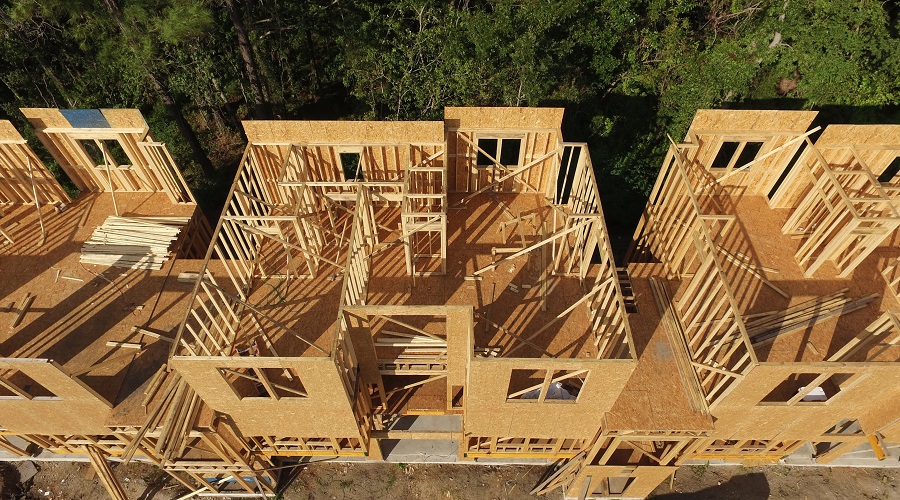
A new report says the complex permitting rules, inconsistent local regulations, and lengthy approval processes have contributed to the 58,000-home shortage in New Mexico.
A recent report from the Mercatus Center at George Mason University argues that New Mexico should streamline the approval process for housing projects and bring greater consistency to housing regulations to address the shortage
Median rents in New Mexico, according to a 2025 analysis by the Pew Charitable Trusts, increased by 60 percent between October 2017 and October 2024, way above the national increase of 27 percent.
Housing prices soared by 70 percent during the same period, pushing the cost of typical New Mexico housing above $300,000, leaving would-be buyers and renters with fewer choices and higher prices.
Housing permit requirements vary across the state, with some local governments running relatively efficient systems, the Mercatus report says. Others, however, are bogged down by layers of approvals and regulations, leaving housing projects stuck in bureaucratic limbo.
Discretionary approvals are one of the biggest problems, as proposed housing developments must go through case-by-case reviews and public hearings.
The report warns that although public participation is important, these hearings can give disproportionate influence to a small group of residents with the time and ability to attend.
That can lead to inconsistent interpretations of zoning rules and, ultimately, to projects being delayed or blocked, resulting in fewer homes being built and increased competition for existing homes. And those who cannot afford the rising costs are pushed further to the margins.
Housing command center
The report also called on New Mexico to create a dedicated state Division of Housing. Such an agency could coordinate what is now a fragmented effort involving local governments and multiple state agencies.
Salim Furth, senior research fellow and director of the Urbanity Project at the Mercatus Center, said the state lacks a central entity to coordinate a comprehensive housing strategy.
States such as Colorado and Washington have already created agencies to perform this role. New Mexico, according to Furth, needs to create one, too, if it wants to get out of the 58,000-housing hole.
Five-way solutions
The Mercatus Center outlines five solutions to close the 58,000-home deficit.
1. Communities should establish their preferences when comprehensive plans and zoning rules are being written or updated, rather than asking residents to fight over individual housing projects.
That would give residents a meaningful voice while providing developers with clearer rules before they invest millions of dollars in a project.
2. Projects that meet the standards established by communities should generally receive by-right approval rather than be subjected to another discretionary political process.
Albuquerque, Farmington, and Las Cruces have adopted expanded versions of this approach. This means a project should be approved if it complies with the rules.
3. Local governments should regularly monitor how long permits take, identify bottlenecks where applications are held up, and pinpoint which requirements cause unnecessary delays.
It is difficult to fix it without measuring the problem.
Setting clear timelines and reviewing bottlenecks could expose bureaucratic roadblocks that quietly add months and costs to housing projects.
4. Permitting should be made simpler wherever possible. That could mean allowing different agencies to review plans simultaneously, rather than forcing developers to complete one stage before the next can begin.
It could also mean eliminating unnecessary approvals and reducing duplicative requirements.
Every extra delay adds to construction costs. And homeowners and renters eventually pay those costs.
5. The report also recommends direct funding for housing development and waiving impact fees for affordable housing units.
The idea is simply to make it possible to build the homes New Mexico desperately needs.

