

Friday, February 6, 2026
52.1 F
Albuquerque

Texas Faces Growing Teacher Shortage as Uncertified Educators Fill Classrooms

Texas public schools are grappling with a significant teacher shortage, leading to an increasing reliance on uncertified educators to fill classroom vacancies.

Recent data from the Texas Education Agency (TEA) reveals that of the more than 350,000 teachers currently employed in the state, 12% lack official certification, equating to approximately 42,000 individuals whose training backgrounds are unverified.

This trend marks a substantial rise from previous years. In the 2023-2024 academic year, over 15,300 new teachers without adequate Texas certification were hired, a sharp increase compared to fewer than 2,300 such hires in 2010.

The shortage is particularly acute in specialized subjects. For the 2024-2025 school year, the TEA has identified critical shortage areas including Bilingual/English as a Second Language, Career and Technical Education (secondary level), Computer Science/Technology Applications, English Language Arts and Reading (secondary level), Mathematics (secondary level), and Special Education.

The influx of uncertified teachers has raised concerns about educational outcomes. A study by Texas Tech University found that students taught by new uncertified teachers experienced learning losses equivalent to about four months in reading and three months in math. However, if these teachers had prior classroom experience, such as serving as substitutes, student performance was comparable to that of peers taught by certified educators.

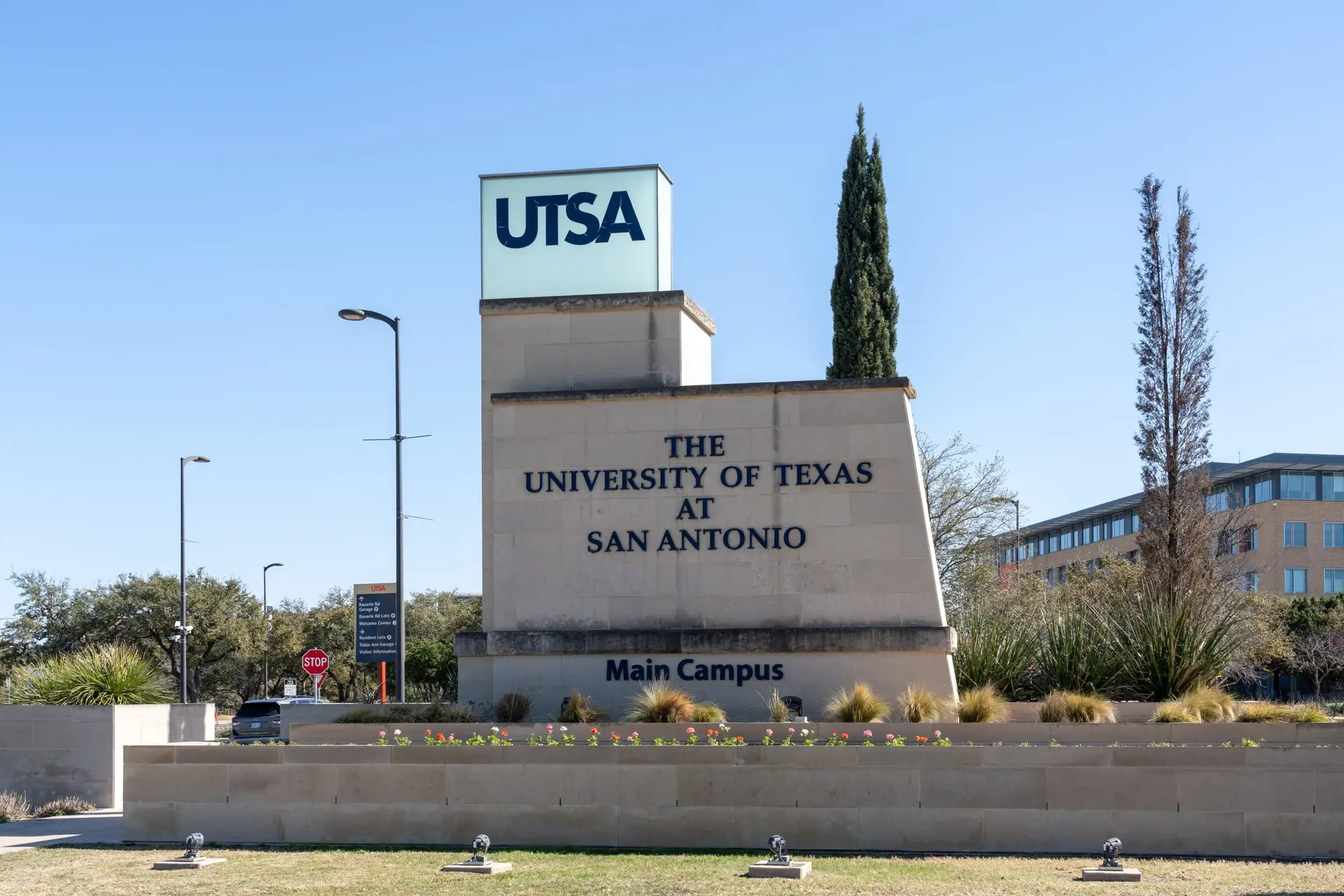
Efforts are underway to address the shortage. The University of Texas at San Antonio (UTSA) has launched a program to support paraprofessionals in becoming certified bilingual teachers, aiming to fill gaps in bilingual education. The initiative offers financial assistance, academic guidance, and practical classroom experience to help paraprofessionals overcome barriers to certification.

Additionally, proposed legislation in the Texas Senate seeks to increase teacher salaries, with significant raises for educators in smaller districts. The bill proposes annual salary increases ranging from $2,500 to $10,000, depending on district size and teacher experience. It also includes provisions for performance bonuses, free preschool services for teachers’ children, and a new state liability insurance program.

As Texas continues to confront its teacher shortage, the state faces the challenge of balancing immediate staffing needs with the long-term goal of ensuring all students receive instruction from qualified, certified educators.

Hot this week

UNM Anderson Receives Donation from Thorntons for Healthcare Leadership Scholarship

Graduate students at UNM Anderson School of Management gain a new opportunity after Maribeth and Chris Thornton’s donation to establish a Healthcare Leadership Scholarship.

New Mexico $47M Transport Funding for Safety, Climate, and Communities: Why it Matters

Nearly $47 million in transportation funding from the New Mexico Department of Transportation goes beyond roads and bridges. The projects touch daily life—making streets safer, strengthening public transit, cutting emissions, and helping rural and Tribal communities close long-standing infrastructure gaps.

School-Based Health Centers (SBHCs) Help More New Mexico Students, NMDOH Reports

New Mexico school-based health centers (SBHCs) assisted nearly 20,000 students to stay healthy and in class during the 2024-2025 school year.

Childcare Advocates Press New Mexico Senate to Protect Wage Hikes Amid Budget Standoff

Childcare advocates are calling on New Mexico senators to retain proposed wage increases for early childhood educators, warning that low pay could drive workers out of the profession as lawmakers debate funding for universal childcare.

On the Heel on Infant’s Death Due to Listeria Infection, FDA Will Test Infant Formula After Botulism Outbreak Sickens Dozens of Babies

The FDA is testing infant formula and key dairy ingredients after a botulism outbreak hospitalized at least 51 babies, renewing concerns over food safety, oversight, and the risks facing infants and pregnant individuals.

Topics

UNM Anderson Receives Donation from Thorntons for Healthcare Leadership Scholarship

Graduate students at UNM Anderson School of Management gain a new opportunity after Maribeth and Chris Thornton’s donation to establish a Healthcare Leadership Scholarship.

New Mexico $47M Transport Funding for Safety, Climate, and Communities: Why it Matters

Nearly $47 million in transportation funding from the New Mexico Department of Transportation goes beyond roads and bridges. The projects touch daily life—making streets safer, strengthening public transit, cutting emissions, and helping rural and Tribal communities close long-standing infrastructure gaps.

School-Based Health Centers (SBHCs) Help More New Mexico Students, NMDOH Reports

New Mexico school-based health centers (SBHCs) assisted nearly 20,000 students to stay healthy and in class during the 2024-2025 school year.

Childcare Advocates Press New Mexico Senate to Protect Wage Hikes Amid Budget Standoff

Childcare advocates are calling on New Mexico senators to retain proposed wage increases for early childhood educators, warning that low pay could drive workers out of the profession as lawmakers debate funding for universal childcare.

On the Heel on Infant’s Death Due to Listeria Infection, FDA Will Test Infant Formula After Botulism Outbreak Sickens Dozens of Babies

The FDA is testing infant formula and key dairy ingredients after a botulism outbreak hospitalized at least 51 babies, renewing concerns over food safety, oversight, and the risks facing infants and pregnant individuals.

Clear Horizons Act: How New Mexico’s net-zero bill might affect you and your household budget

New Mexico lawmakers are set to introduce the Clear Horizons Act, a net-zero framework that would formalize statewide emissions targets and expand planning and reporting requirements. The central consumer question is cost: how compliance, grid investment, and fuel-market exposure could translate into utility bills and price volatility. What happens next in committee—and later in rulemaking—will determine whether “affordable energy” claims show up in measurable household outcomes.

A Fun Way to Learn: NMSU Unveils ‘Market Set Go!’

The New Mexico State University (NMSU) Cooperative Extension Service has released “Market Set Go!,” an educational game that teaches food safety in a fun way.

Kevin Matthes Retires From WNMU After Years of Dedicated Service

Assistant Vice President of Facilities and Operations Kevin Matthes retires from WNMU after leaving a lasting legacy on campus.

Related Articles