

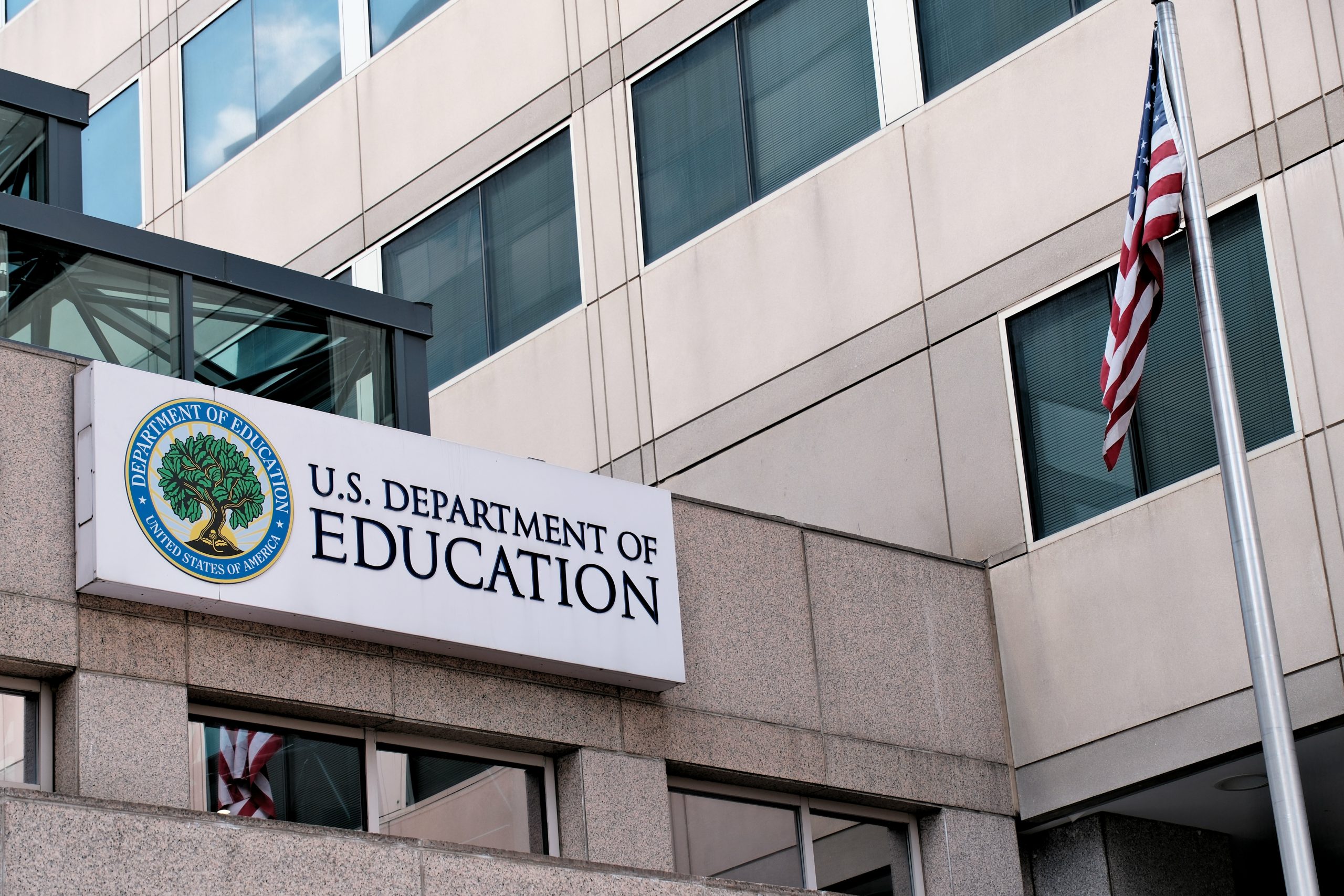
195,000 Student Loan Borrowers Face Federal Benefit Seizures Starting in June

Roughly 195,000 Americans who have defaulted on their federal student loans are at risk of having their federal benefits—such as Social Security and tax refunds—seized starting in June 2025. The Education Department confirmed the action as part of its plan to resume full-scale collections after a five-year pause triggered by the COVID-19 pandemic. Borrowers who […]

Roughly 195,000 Americans who have defaulted on their federal student loans are at risk of having their federal benefits—such as Social Security and tax refunds—seized starting in June 2025. The Education Department confirmed the action as part of its plan to resume full-scale collections after a five-year pause triggered by the COVID-19 pandemic.

Borrowers who received notices this spring now have 30 days to resolve their default status or face automatic collections through the Treasury Offset Program (TOP), a tool that allows the federal government to withhold funds to recover unpaid debts.

Garnishment Resumes After Long Hiatus

Collections on defaulted federal student loans were halted in March 2020 as part of the pandemic relief measures. But with the end of the federal student loan payment pause and default protections in late 2023, the Department of Education is gradually reactivating collection tools.

As of May 5, 2025, the department officially resumed debt collection activities. The 195,000 borrowers who received offset notices represent the first wave of individuals being targeted for benefit seizures.

The Treasury Offset Program can divert money from:

  • Federal and state income tax refunds
  • Social Security benefits
  • Federal salaries and retirement payments

Wage garnishments are expected to resume later this summer.

Who’s Affected?

Borrowers in default are defined as those who have gone at least 270 days without making a required payment. According to Education Department estimates, around 5.3 million borrowers are currently in default, and an additional 4 million are severely delinquent.

The 195,000 borrowers receiving notices this month are only a fraction of those potentially subject to offsets.

Most at risk are low-income borrowers who rely on Social Security, tax credits, or other federal benefits to cover basic living costs.

Pathways to Avoid Collections

Borrowers still have time to act. The Department of Education is encouraging those who received notices to contact its Default Resolution Group. Options to avoid garnishment include:

  • Loan Rehabilitation: Makes nine on-time payments in 10 months to remove a loan from default.
  • Consolidation: Combines loans into one and brings them into good standing if paired with an income-driven repayment plan.

Borrowers can also apply for hardship exemptions in cases where offsets would create serious financial burdens.

More information and help are available at studentaid.gov and through the department’s Default Resolution Group.

Backdrop

The return of student loan collections comes as the Biden administration’s broad loan forgiveness plan remains blocked by the Supreme Court. Though the White House has implemented targeted relief—such as one-time adjustments and fixes to income-driven repayment plans—millions of borrowers remain ineligible for forgiveness.

The Department of Education has now shifted its focus toward enforcement and repayment compliance. Education Secretary Linda McMahon recently stated that “borrowers must resume their obligations,” citing the end of COVID-era flexibility.

What’s Next?

With collections now underway, more defaulted borrowers are expected to receive offset or garnishment notices throughout the summer. The Department says it will continue outreach to help borrowers avoid punitive measures, but critics argue the window for assistance is shrinking fast.

For those facing potential benefit seizures, acting quickly may be the only way to protect federal income streams.

For corrections, news tips, and any other content requests, please send us an email at [email protected].

Hot this week

Gas, Drought, and Survival: Albuquerque Farmers Brace for a Tough Season at the Rail Yards Market

As Albuquerque’s Rail Yards Market opens for the season, local farmers say soaring fuel costs and worsening drought conditions are threatening their livelihoods. Some growers are raising prices to survive, while others absorb losses to keep produce affordable. Community-supported programs at the market are helping small farms weather mounting economic and climate pressures.

New Mexico Just Expanded Disability Rights — and It Could Change Lives Across the State

New Mexico is deepening its role as a national leader in disability rights after expanding insurance coverage for complex rehabilitation technology devices. Advocates say the new law could improve mobility, healthcare access and quality of life for thousands of disabled residents across the state.

Hospitals and Doctors Rally Behind HB 99 to Keep Care Local

New Mexico’s healthcare community is rallying behind House Bill 99, a medical malpractice reform designed to protect patient access to care. Physicians and hospitals warn that without reform, liability pressures will worsen the state’s physician shortage and destabilize community hospitals. HB 99 promises to reduce wait times, keep care closer to home, and create a fairer medical liability system, ensuring New Mexicans can access essential services when they need them most.

Deadly Hantavirus Raises Alarm Following Cruise Ship Illnesses

Health officials suspect hantavirus caused a cruise ship outbreak that killed three passengers and left others seriously ill. The rodent‑borne virus, rare but deadly, has a fatality rate of up to 35% in severe cases. WHO continues its investigation, while experts stress rodent control and early medical attention as the best defenses against future outbreaks.

Lujan Grisham Urges Parents: Enroll Kids in Summer Reading Program

Registration for the Summer Reading Program is ongoing, along with application for site partners and instructors.

Topics

Gas, Drought, and Survival: Albuquerque Farmers Brace for a Tough Season at the Rail Yards Market

As Albuquerque’s Rail Yards Market opens for the season, local farmers say soaring fuel costs and worsening drought conditions are threatening their livelihoods. Some growers are raising prices to survive, while others absorb losses to keep produce affordable. Community-supported programs at the market are helping small farms weather mounting economic and climate pressures.

New Mexico Just Expanded Disability Rights — and It Could Change Lives Across the State

New Mexico is deepening its role as a national leader in disability rights after expanding insurance coverage for complex rehabilitation technology devices. Advocates say the new law could improve mobility, healthcare access and quality of life for thousands of disabled residents across the state.

Hospitals and Doctors Rally Behind HB 99 to Keep Care Local

New Mexico’s healthcare community is rallying behind House Bill 99, a medical malpractice reform designed to protect patient access to care. Physicians and hospitals warn that without reform, liability pressures will worsen the state’s physician shortage and destabilize community hospitals. HB 99 promises to reduce wait times, keep care closer to home, and create a fairer medical liability system, ensuring New Mexicans can access essential services when they need them most.

Deadly Hantavirus Raises Alarm Following Cruise Ship Illnesses

Health officials suspect hantavirus caused a cruise ship outbreak that killed three passengers and left others seriously ill. The rodent‑borne virus, rare but deadly, has a fatality rate of up to 35% in severe cases. WHO continues its investigation, while experts stress rodent control and early medical attention as the best defenses against future outbreaks.

Lujan Grisham Urges Parents: Enroll Kids in Summer Reading Program

Registration for the Summer Reading Program is ongoing, along with application for site partners and instructors.

Edgewood and Santa Fe County Move Toward EMS and Fire Services Agreement After Community Outcry

After weeks of public anger and fears over emergency response times, Edgewood and Santa Fe County are nearing a deal to preserve fire and ambulance services for residents in the growing New Mexico town.

Does Moisture in New Mexico Helps Reducing Fire Risk?—State Forestry Answers

With the moisture season coming in late to the State, many locals wonder if this could help eliminate fire risk.

CYFD and ABQ Police Should Have Done More to Protect Kids from Their Mother – Family says

A grandmother of two kids and a family friend think CYFD and APD could have done more to resolve a family issue involving children's safety.

Related Articles