

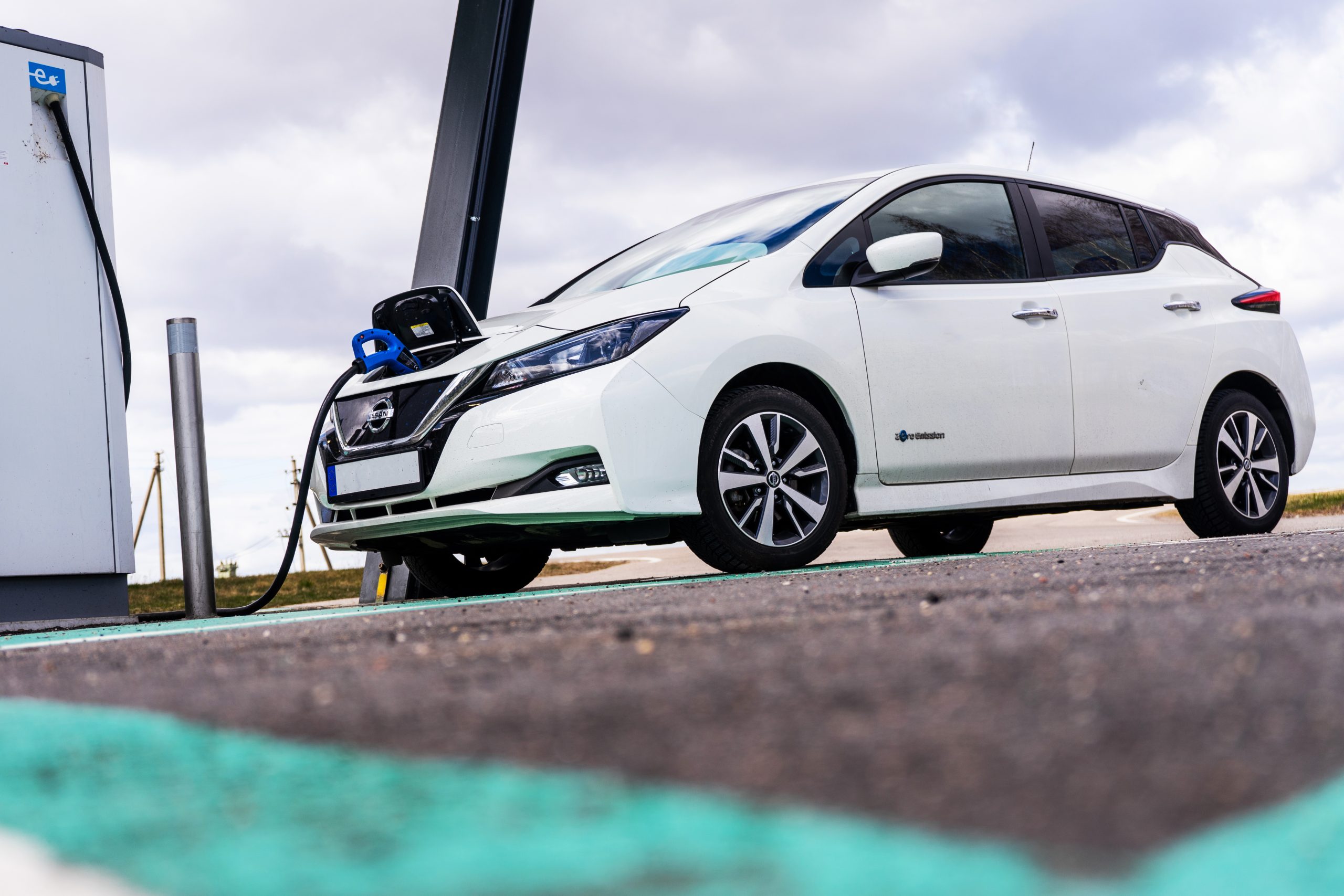
Hackers Demonstrate Remote Control of 2020 Nissan Leaf, Including Steering

Researchers from Budapest-based cybersecurity firm PCAutomotive have revealed a series of vulnerabilities in the 2020 Nissan Leaf, allowing remote access to various vehicle functions, including steering control. The findings were presented at the Black Hat Asia 2025 conference, highlighting significant concerns over the security of connected vehicles. The attack begins by exploiting weaknesses in the […]

Researchers from Budapest-based cybersecurity firm PCAutomotive have revealed a series of vulnerabilities in the 2020 Nissan Leaf, allowing remote access to various vehicle functions, including steering control. The findings were presented at the Black Hat Asia 2025 conference, highlighting significant concerns over the security of connected vehicles.

The attack begins by exploiting weaknesses in the Leaf’s infotainment system, particularly its Bluetooth connectivity. Once access is gained, attackers can escalate privileges and establish a command-and-control channel over cellular communications, enabling remote control over the internet.

The compromised access allows control over several vehicle functions:

Location Tracking: Real-time GPS tracking of the vehicle.

Audio Surveillance: Recording in-cabin conversations via the car’s microphone.

Audio Playback: Playing recorded audio through the vehicle’s speakers.

Physical Controls: Operating the horn, adjusting mirrors, controlling windows, flashing lights, activating windshield wipers, locking/unlocking doors, and manipulating the steering wheel—even while the car is in motion.

The vulnerabilities have been assigned eight Common Vulnerabilities and Exposures (CVE) identifiers: CVE-2025-32056 through CVE-2025-32063. The attack chain involves exploiting a stack buffer overflow in the Bluetooth Hands-Free Profile, gaining root access to the vehicle’s Linux-based operating system, establishing persistent access, and communicating with the vehicle’s Controller Area Network (CAN) to send commands to various electronic control units.

Nissan’s Response

Nissan acknowledged the vulnerabilities, stating: “PCAutomotive contacted Nissan regarding its research. While we decline to disclose specific countermeasures or details for security reasons, for the safety and peace of mind of our customers, we will continue to develop and roll out technologies to combat increasingly sophisticated cyberattacks.”

This incident underscores the growing cybersecurity challenges in modern vehicles, particularly electric vehicles with extensive digital systems. The ability to remotely control critical vehicle functions raises significant safety concerns for drivers and other road users.

Owners of 2020 Nissan Leaf vehicles are advised to:

Update Software: Ensure the vehicle’s software is up to date.

Limit Bluetooth Connectivity: Only pair with trusted devices when necessary.

Monitor for Unusual Behavior: Be alert to unexpected activity in the vehicle’s systems.

Contact Dealers: Inquire about security updates addressing these vulnerabilities

As vehicles become more connected, robust cybersecurity measures are essential to protect against potential threats.

For corrections, news tips, and any other content requests, please send us an email at [email protected].

Hot this week

Stage II Fire Ban Hits Santa Fe National Forest as Jemez Wildfire Explodes

Emergency Stage II fire restrictions took effect Friday across the entire Santa Fe National Forest as the McCauley Springs Fire forces closures and evacuations in the Jemez Mountains. Campfires banned through July.

New Educators Gear Up for Upcoming School Year through New Teacher Academy 

APS’ new educators participated in the academy to sharpen their skills and prepare for the new school year.

Could $750 a Month and Free Therapy Change a Young Person’s Future? Albuquerque is Betting the Early Support Program Can.

Albuquerque is expanding a pilot that gives at-risk youth $750 monthly and therapy, aiming to prevent homelessness, violence and mental health crises.

Avoid Falling Victim to Fake Party Invitation Scams. Consider What Cybersecurity Experts Say.

Technology experts are warning consumers about a growing scam involving fake party invitations sent through text messages, email, and social media. Cybercriminals use fraudulent invitations to trick victims into clicking malicious links and revealing sensitive personal information.

‘Academies of Albuquerque’ Seek to Transform APS High School Experience

Albuquerque Public Schools (APS) remains committed to bridging the gap between classroom learning and career readiness through collaborations with various sectors and teacher externships.

Topics

Stage II Fire Ban Hits Santa Fe National Forest as Jemez Wildfire Explodes

Emergency Stage II fire restrictions took effect Friday across the entire Santa Fe National Forest as the McCauley Springs Fire forces closures and evacuations in the Jemez Mountains. Campfires banned through July.

New Educators Gear Up for Upcoming School Year through New Teacher Academy 

APS’ new educators participated in the academy to sharpen their skills and prepare for the new school year.

Could $750 a Month and Free Therapy Change a Young Person’s Future? Albuquerque is Betting the Early Support Program Can.

Albuquerque is expanding a pilot that gives at-risk youth $750 monthly and therapy, aiming to prevent homelessness, violence and mental health crises.

Avoid Falling Victim to Fake Party Invitation Scams. Consider What Cybersecurity Experts Say.

Technology experts are warning consumers about a growing scam involving fake party invitations sent through text messages, email, and social media. Cybercriminals use fraudulent invitations to trick victims into clicking malicious links and revealing sensitive personal information.

‘Academies of Albuquerque’ Seek to Transform APS High School Experience

Albuquerque Public Schools (APS) remains committed to bridging the gap between classroom learning and career readiness through collaborations with various sectors and teacher externships.

 Reading Remains Essential During Summer Break – APS

APS highlights summer reading initiatives designed to build literacy skills and foster a love of books among students.

Lightning‑Sparked Fires from Deer Canyon to the Gila Expose Rising Risks in Hotter, Drier Southwest

A series of lightning-caused wildfires, from Deer Canyon to the Gila National Forest, highlights New Mexico's growing vulnerability to increasingly destructive fire seasons fueled by drought, rising temperatures and expanding development in fire-prone landscapes.

Deer Canyon Fire Under Control — A Look Back at Events

The Deer Canyon Fire has already been contained, and here is the rundown of important details of what happened.

Related Articles