

Sunday, February 8, 2026
41.6 F
Albuquerque

Tariffs Put Corporate Profit Margins to the Test as Companies Invest to Protect Earnings

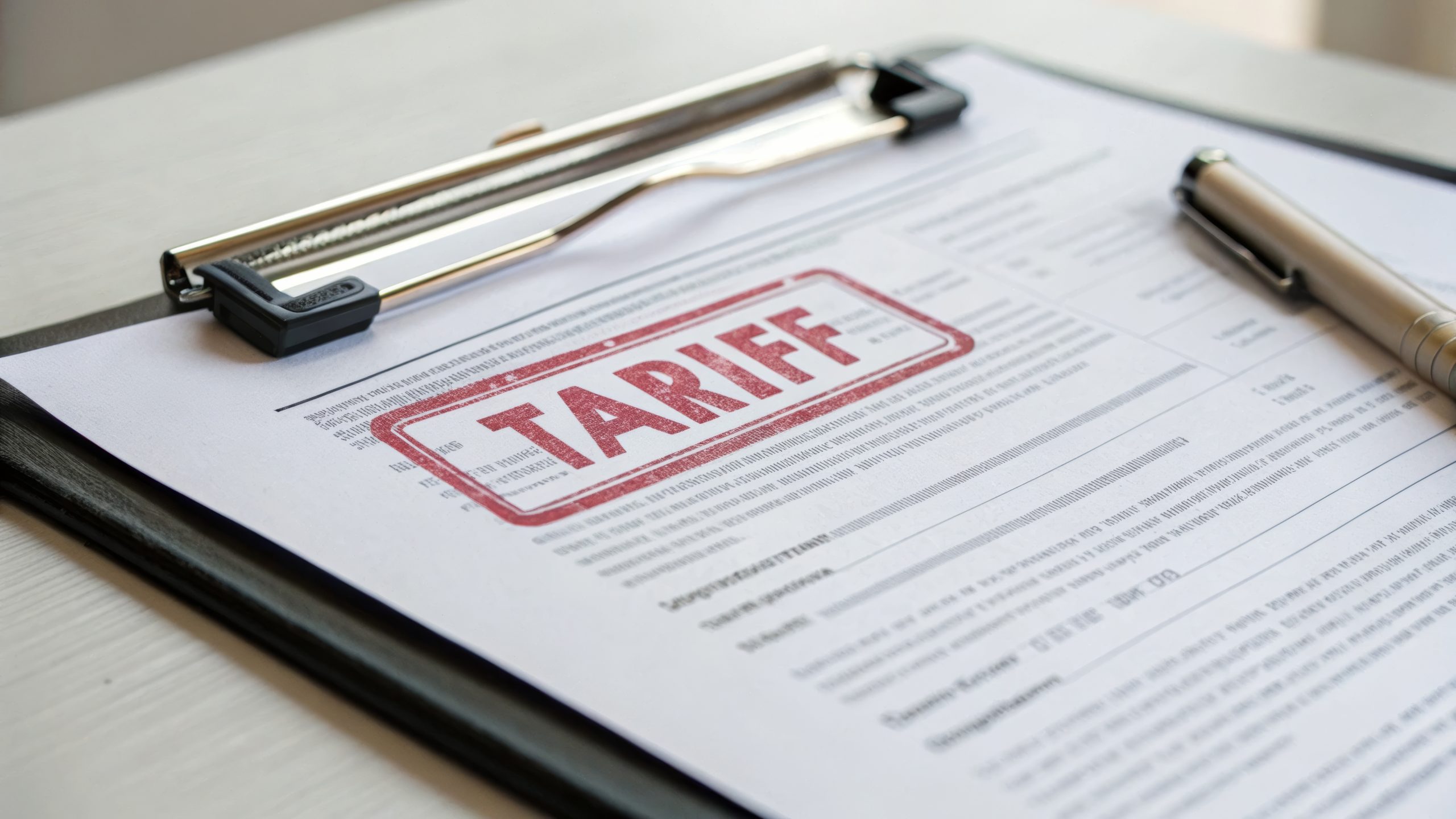
U.S. companies are facing rising costs from tariffs on imported goods, forcing corporate leaders to reassess how they manage margins and profitability. As tariffs add to the cost of inputs and production, firms are not relying solely on price increases; they are also investing in strategic adjustments to offset pressures and sustain earnings performance.

Tariffs, taxes applied to goods imported into a country, raise direct costs for businesses that depend on foreign inputs. These increased expenses can erode gross profit margins if companies cannot fully pass the costs on to customers. Moreover, tariffs can influence broader pricing decisions, supply chain structures, and long-term investment plans. Analysts note that tariff pressures, alongside inflation and other cost drivers, are reshaping how companies think about competitive positioning and profitability.

Why tariffs matter to corporate finances

  • Increasing costs: Tariffs raise the price of imported materials or components, squeezing gross margins when companies absorb some or all of the costs rather than passing them on to customers.
  • Pricing and demand: Passing costs onto customers may protect margins, but higher prices can dampen demand, especially in competitive markets where consumers are price-sensitive.
  • Investment and adjustment: Companies are investing in supply chain reconfiguration, automation, and pricing systems to protect profitability rather than relying on short-term fixes.
  • Longer timelines: Adjusting supply chains or reshoring production to mitigate tariff exposure can take months or longer and requires capital outlays that affect short-term financial performance.

Data from business surveys and industry research indicate that a significant share of U.S. firms have already seen tariff-related cost pressures. More than half of companies report declining gross margins, in part due to tariff costs, and many expect to raise prices in the months ahead as they balance margin protection with competitive pressures.

Tariffs also intersect with broader economic signals. Firms that rely heavily on imported inputs report lower optimism about revenue and employment growth compared with peers less exposed to tariff-hit countries. This suggests that tariff effects are not isolated to cost structures alone but may influence firm expectations and investment decisions.

Economists say tariff impacts vary across sectors. Manufacturing and industries dependent on global supply chains typically feel cost pressures more acutely, whereas firms with more domestic supply chains or pricing power may absorb impacts more effectively. The broader implication is that trade policy, pricing strategy, and margin management are increasingly intertwined in corporate financial planning.

Ultimately, the evolving tariff landscape underscores how external policy decisions can influence internal corporate finances. For financial and business readers, understanding these pressures and how companies are responding offers insight into corporate strategy, earnings prospects, and potential consumer price trends as firms navigate a more complex cost environment.

Hot this week

Is New Mexico Really Last in Education? New Data Challenge Rankings

New Mexico still ranks near the bottom in national K–12 education rankings, but recent state data show improvements in reading proficiency and mixed results across education levels.

UNM Anderson Receives Donation from Thorntons for Healthcare Leadership Scholarship

Graduate students at UNM Anderson School of Management gain a new opportunity after Maribeth and Chris Thornton’s donation to establish a Healthcare Leadership Scholarship.

New Mexico $47M Transport Funding for Safety, Climate, and Communities: Why it Matters

Nearly $47 million in transportation funding from the New Mexico Department of Transportation goes beyond roads and bridges. The projects touch daily life—making streets safer, strengthening public transit, cutting emissions, and helping rural and Tribal communities close long-standing infrastructure gaps.

School-Based Health Centers (SBHCs) Help More New Mexico Students, NMDOH Reports

New Mexico school-based health centers (SBHCs) assisted nearly 20,000 students to stay healthy and in class during the 2024-2025 school year.

Childcare Advocates Press New Mexico Senate to Protect Wage Hikes Amid Budget Standoff

Childcare advocates are calling on New Mexico senators to retain proposed wage increases for early childhood educators, warning that low pay could drive workers out of the profession as lawmakers debate funding for universal childcare.

Topics

Is New Mexico Really Last in Education? New Data Challenge Rankings

New Mexico still ranks near the bottom in national K–12 education rankings, but recent state data show improvements in reading proficiency and mixed results across education levels.

UNM Anderson Receives Donation from Thorntons for Healthcare Leadership Scholarship

Graduate students at UNM Anderson School of Management gain a new opportunity after Maribeth and Chris Thornton’s donation to establish a Healthcare Leadership Scholarship.

New Mexico $47M Transport Funding for Safety, Climate, and Communities: Why it Matters

Nearly $47 million in transportation funding from the New Mexico Department of Transportation goes beyond roads and bridges. The projects touch daily life—making streets safer, strengthening public transit, cutting emissions, and helping rural and Tribal communities close long-standing infrastructure gaps.

School-Based Health Centers (SBHCs) Help More New Mexico Students, NMDOH Reports

New Mexico school-based health centers (SBHCs) assisted nearly 20,000 students to stay healthy and in class during the 2024-2025 school year.

Childcare Advocates Press New Mexico Senate to Protect Wage Hikes Amid Budget Standoff

Childcare advocates are calling on New Mexico senators to retain proposed wage increases for early childhood educators, warning that low pay could drive workers out of the profession as lawmakers debate funding for universal childcare.

On the Heel on Infant’s Death Due to Listeria Infection, FDA Will Test Infant Formula After Botulism Outbreak Sickens Dozens of Babies

The FDA is testing infant formula and key dairy ingredients after a botulism outbreak hospitalized at least 51 babies, renewing concerns over food safety, oversight, and the risks facing infants and pregnant individuals.

Clear Horizons Act: How New Mexico’s net-zero bill might affect you and your household budget

New Mexico lawmakers are set to introduce the Clear Horizons Act, a net-zero framework that would formalize statewide emissions targets and expand planning and reporting requirements. The central consumer question is cost: how compliance, grid investment, and fuel-market exposure could translate into utility bills and price volatility. What happens next in committee—and later in rulemaking—will determine whether “affordable energy” claims show up in measurable household outcomes.

A Fun Way to Learn: NMSU Unveils ‘Market Set Go!’

The New Mexico State University (NMSU) Cooperative Extension Service has released “Market Set Go!,” an educational game that teaches food safety in a fun way.

Related Articles
