

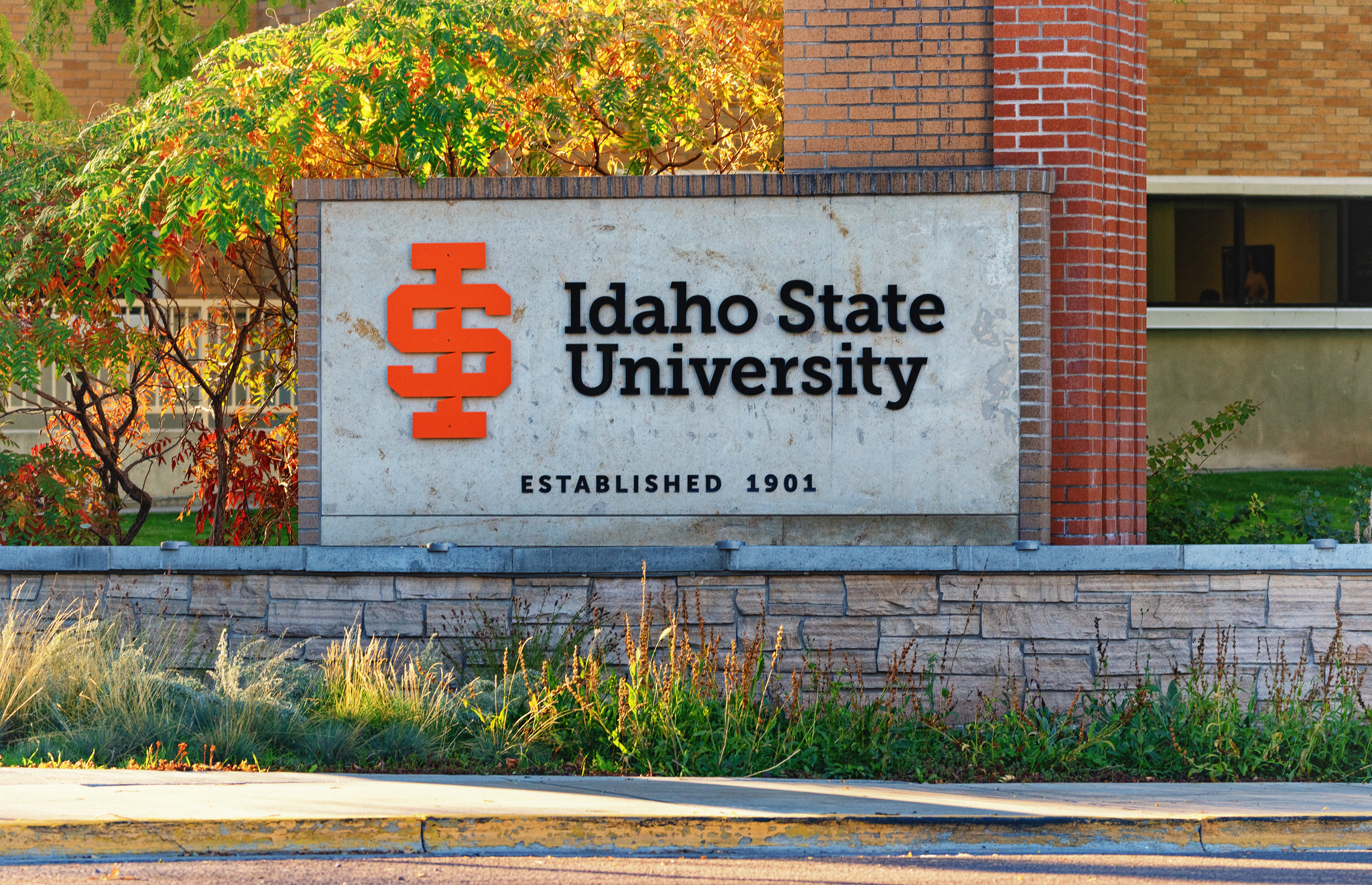
Idaho Budget Cuts Raise Concerns Over Public University Tuition Increases

State budget reductions in Idaho are prompting public university officials to warn that tuition increases may be under consideration to offset financial shortfalls. Lawmakers and education leaders are debating funding levels as colleges face permanent cuts, potential personnel reductions and growing enrollment amid strained finances.

Idaho’s public universities are feeling the pressure as state budget cuts hit closer to home. For many staff, students, and families, there’s growing anxiety about what these cuts will mean. College leaders are worried that, with less money coming in, they may have to let staff go or cut back on programs that make campus life vibrant and supportive.

The State Board of Education has said that tuition hikes are “on the table” as they try to keep campuses running and classrooms full. A small tuition increase was already approved for the 2025–26 school year, but officials warn that if state support drops further, students and their families could face higher bills soon.

Mid-year budget cuts now made permanent by Gov. Brad Little’s administration have slashed about $13.3 million from public colleges and universities. At schools like Boise State and the University of Idaho, the effects are already being felt in larger class sizes, fewer resources, and more uncertainty about the future. Some campus leaders say that unless the state steps in with more funding, students may have to shoulder even more of the cost just to keep their education going.

The state’s finances have become more complex due to tax cuts and changes in revenue forecasts. Lawmakers are now planning more budget holdbacks and spending limits. Some analysts warn that if state revenue continues to decline, there could be further cuts to higher education and other public services.

Critics of the budget cuts say that less state investment in higher education could hurt workforce development and student success, especially as more students enroll. Supporters of the cuts argue that the state needs to balance its budget because of lower revenue and recent tax changes.

However, a report from the Office of the Governor states that Idaho ended its most recent fiscal year with a balanced budget and with hundreds of millions of dollars in surplus. For students and families, potential tuition hikes could mean paying more out of pocket, even as more college-age residents enroll in Idaho. University leaders have to balance the impact of less funding with their goal of keeping public higher education affordable.

For corrections, news tips, and any other content requests, please send us an email at [email protected].

Hot this week

Cruise Ship Outbreak Stirs Worry. Health Officials Allay Fears, Saying Hantavirus Risk is a Different Story.

Health officials in New Mexico are reassuring residents after a deadly cruise ship hantavirus outbreak, emphasizing that the Sin Nombre strain found locally spreads only from rodents to humans, not between people.

Support APS Students While Shopping for Mother’s Day Gifts – Here’s How

Albuquerque Public Schools (APS) is holding the APS Activities Outdoor Craft Market tomorrow, a day before Mother’s Day, to help fund student opportunities.

Group of Thieves Accused of Stealing Copper Wire from Lea Oil Country Fields

Several oil companies in southeast New Mexico are experiencing...

Water Rights on the Line: Why the Pecos River Dispute Matters for Everyone

Pecos River tensions are testing New Mexico’s landmark public access ruling and could reshape water rights across the West.

Green Chile Natural Gas Pipeline for Project Jupiter Wins Federal Nod, But New Mexico Pushback Looms

Federal approval of a gas pipeline for New Mexico’s AI megaproject is colliding with state land regulators and oversight concerns.

Topics

Cruise Ship Outbreak Stirs Worry. Health Officials Allay Fears, Saying Hantavirus Risk is a Different Story.

Health officials in New Mexico are reassuring residents after a deadly cruise ship hantavirus outbreak, emphasizing that the Sin Nombre strain found locally spreads only from rodents to humans, not between people.

Support APS Students While Shopping for Mother’s Day Gifts – Here’s How

Albuquerque Public Schools (APS) is holding the APS Activities Outdoor Craft Market tomorrow, a day before Mother’s Day, to help fund student opportunities.

Group of Thieves Accused of Stealing Copper Wire from Lea Oil Country Fields

Several oil companies in southeast New Mexico are experiencing...

Water Rights on the Line: Why the Pecos River Dispute Matters for Everyone

Pecos River tensions are testing New Mexico’s landmark public access ruling and could reshape water rights across the West.

Green Chile Natural Gas Pipeline for Project Jupiter Wins Federal Nod, But New Mexico Pushback Looms

Federal approval of a gas pipeline for New Mexico’s AI megaproject is colliding with state land regulators and oversight concerns.

New Mexico’s Health Outcomes Worsen Workforce Shortfall, Physician Says

Dr. Richard J. Zane, retired physician, points out that recruiting alone will not solve the problem of healthcare workers in New Mexico. With an obesity rate of almost 70% among adults and illnesses making people seek medical attention, preventive measures and changes in lifestyle are necessary to address the problem.

State Initiative Targets Rural Hospitals and Clinics

The New Mexico Department of Health unveiled plans for a center aimed at enhancing the stability of medical centers located in rural areas. The purpose of the initiative is to assist rural and tribal facilities with overcoming the obstacles associated with finances and lack of staff. The program includes technical support, services sharing, and training of health care workers in order to improve access to care for local residents.

New Wind Farm Could Power 60,000 Homes — and Send $98.9M to Public Schools

A newly approved wind farm in Torrance County could deliver renewable energy to more than 60,000 homes while generating millions of dollars for New Mexico public schools through long-term state land revenues.

Related Articles