


Cases of measles in New Mexico have climbed to 15. The Department of Health has traced all these cases to three county detention centers.
Luna County Detention Center has recorded 10 infections, three at the Doña Ana County Detention Center, and two at the Hidalgo County Detention Center. All these cases involved federal detainees. Health officials have deployed vaccination teams to the facilities to stop the spread.
“Measles is very contagious, and there have been almost 1,500 measles infections reported this year in the United States. The best way to prevent measles infection is to be fully vaccinated,” NMDOH medical epidemiologist Dr. Chad Smelser said.
Why measles remains a threat
The United States declared the elimination of measles in 2000. But state health officials warn that measles remains a public health risk due to its high transmissibility, particularly in crowded settings like detention centers.
The Centers for Disease Control and Prevention had noted earlier New Mexico’s response during a 2025 outbreak. It cited strong public messaging and vaccination efforts. Over 60,000 people received measles, mumps, and rubella (MMR) vaccines during that period. This represents some 55 percent increase compared to the previous year.
Still, health authorities say gaps in vaccination coverage leave communities vulnerable, especially as travel increases this spring season.
Symptoms and transmission
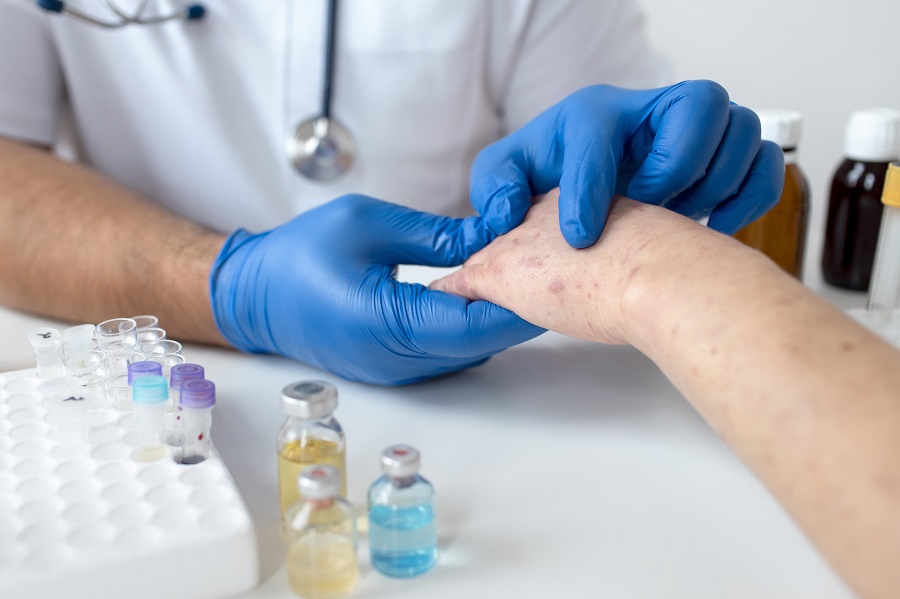
Symptoms of measles (rubeola) usually appear seven to 21 days after exposure. A person exposed to measles manifests signs such as fever, cough, runny nose, and red eyes. A red, blotchy rash typically ensues, usually starting on the face and spreading downward.
An infected person can transmit the virus from four days before and four days after the appearance of rashes, making early detection and isolation critical.
What to do if exposed
Health officials advise individuals with symptoms or possible exposure to call a doctor or hospital before visiting, to help prevent further spread. They also urged the public to review their vaccination records and ensure they are fully protected against measles.
Help is available through NMDOH’s online portal and helpline at 1-833-SWNURSE (1-833-796-8773).

