

Health officials are urging residents of Albuquerque and Bernalillo County to strengthen mosquito protection measures after mosquitoes infected with West Nile virus were detected during routine surveillance near the Rio Grande.
The detection serves as an early warning with the onset of the monsoon season, when increased rainfall can create more mosquito breeding sites and heighten the risk of virus transmission. No human cases of West Nile virus have been reported in New Mexico so far in 2026, according to health officials.
The warning comes after the health department documented 52 West Nile virus cases and 11 deaths in 2025, highlighting the potential danger once the virus begins circulating in local mosquito populations.
Details of the Detection
The mosquitoes tested positive for West Nile virus during routine surveillance conducted by the joint City of Albuquerque-Bernalillo County mosquito control program. The University of New Mexico Center for Global Health confirmed the results.
“We’ve been working with several partners statewide, including the City of Albuquerque, on trapping and testing for mosquito-borne illnesses as an early warning system to alert the public,” said Erin Phipps, state public health veterinarian for the New Mexico Department of Health (NMDOH). “We are urging residents to take precautions now to avoid mosquito bites in Bernalillo County and statewide.”
“While mosquitoes are not currently widespread due to dry conditions, we continue to see them concentrated in wet areas,” added Nick Pederson, City of Albuquerque Urban Biology division manager. “As we enter the monsoon season, we are asking residents to check their yards and neighborhoods for standing water that could become a mosquito breeding source.”
Understanding West Nile Virus
West Nile virus spreads primarily through the bites of infected mosquitoes. The virus circulates between birds and mosquitoes and can infect humans, horses, and other mammals. However, it is not transmitted from person to person.
According to the Centers for Disease Control and Prevention (CDC):
- About 8 in 10 infected people experience no symptoms at all.
- Roughly one-fifth develop mild symptoms known as West Nile fever, which can include fever, headache, body aches, joint pain, nausea, vomiting, fatigue, or a skin rash. These symptoms typically last a few days to a few weeks.
- Less than 1 percent develop severe neuroinvasive disease, such as West Nile encephalitis or meningitis. Symptoms of severe illness can include high fever, headache, neck stiffness, stupor, disorientation, coma, tremors, convulsions, muscle weakness, vision loss, numbness, and paralysis. Severe cases can be fatal or leave long-term neurological effects.
Highest-risk groups include adults aged 50 and older, people with weakened immune systems, and those with chronic conditions such as diabetes, hypertension, or cancer.
Local Context and Risk Factors in Bernalillo County
The Rio Grande corridor and surrounding Bosque areas provide favorable mosquito habitat because of dense vegetation and seasonal water sources. Although current dry conditions have lessened mosquito activity, monsoon rains, typically start in July, can quickly create breeding sites in containers, ditches, and low-lying areas.
West Nile virus has been present in New Mexico since the early 2000s. It is now considered endemic in the state. Annual case numbers vary depending on weather conditions. Public health officials, however, continue to monitor mosquito populations through surveillance programs. More statewide collaborative surveillance is scheduled to begin in July 2026.
Advertisement
Across the United States, West Nile virus activity varies by region. Several states are already reporting infected mosquitoes or human cases this year. Health officials say detecting the virus in mosquitoes is an important early-warning tool as it often occurs before human infections are identified.
How to Protect Yourself and Your Family
The most effective defense is preventing mosquito bites and eliminating breeding sites. Here’s what officials recommend:
1. Eliminate Standing Water (Source Reduction)
- Empty, cover, or discard any containers that hold water: flowerpots, buckets, tires, toys, tarps, birdbaths, and gutters.
- Regularly check and maintain pools, spas, and fountains.
- Use mosquito fish (Gambusia) in ornamental ponds or unused water features. Contact 311 in Albuquerque for information.
- Report large breeding sites or heavy mosquito activity to the City/County via 311.
2. Use Personal Protection
- Use EPA-registered insect repellents containing DEET, picaridin, IR3535, or oil of lemon eucalyptus when outdoors.
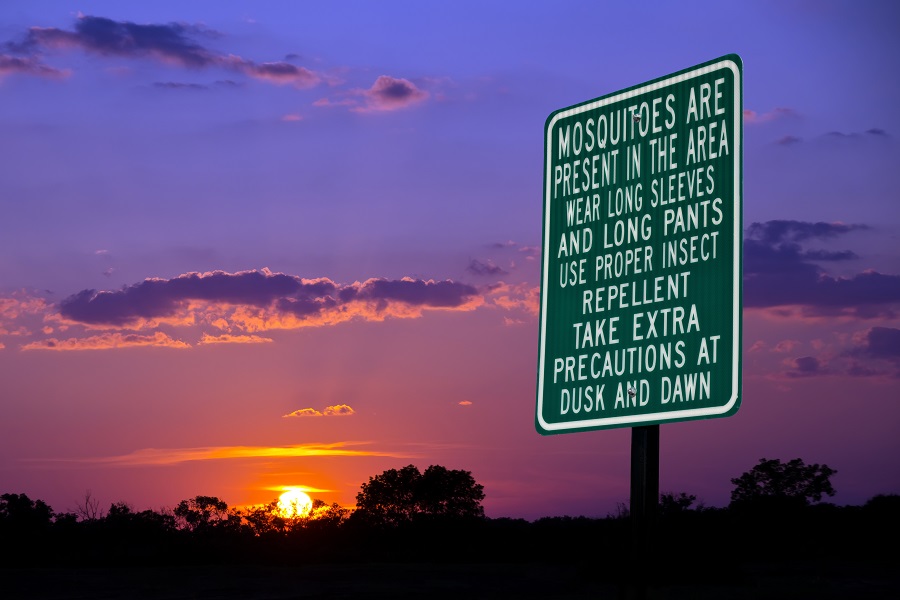
- Wear long sleeves, long pants, and socks, especially at dawn and dusk when mosquitoes are most active.
- Use fans on porches or patios—mosquitoes are weak fliers.
- Install or repair window and door screens.
3. Protect Vulnerable Groups and Pets
- Ensure children, elderly family members, and those with health conditions take extra precautions.
- Consult a veterinarian about West Nile vaccines for horses. No human vaccine is available.
4. When to Seek Medical Care
Anyone, particularly those at higher risk for severe disease, who develops a fever, severe headache, muscle weakness, or confusion after mosquito exposure should seek medical attention.
Community and Government Response
The joint mosquito control program includes surveillance, treatment of mosquito breeding sites, and, when necessary, measures to depopulate adult mosquitoes. Health officials said residents play a critical role in prevention, stressing that eliminating standing water around homes can significantly reduce mosquito numbers.
Mosquito surveillance efforts across the state are also expanding, with additional trapping and testing programs aimed at providing earlier warnings of West Nile virus activity across New Mexico.
Looking Ahead
Health officials said the detection does not indicate widespread West Nile virus transmission. It serves, however, as an early warning ahead of the monsoon season. Warmer temperatures and changing rainfall patterns can affect mosquito activity in the Southwest, making year-round vigilance important.
Officials said residents can reduce their risk of infection and help protect the broader community by taking simple preventive measures, including eliminating standing water and avoiding mosquito bites.