

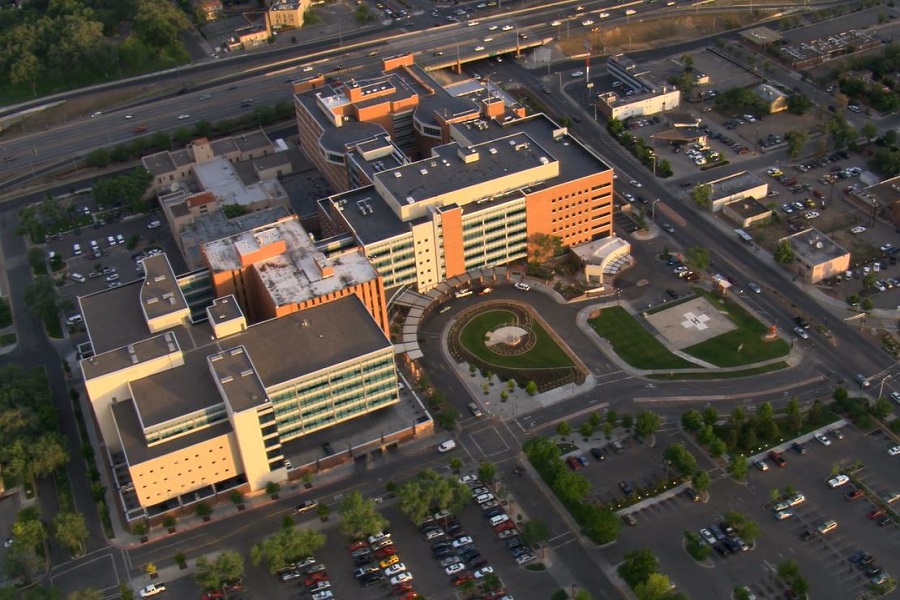
One of New Mexico’s largest healthcare providers, Presbyterian Healthcare Services, announced Tuesday that it will halt its Medicare Advantage coverage to roughly 30,000 seniors in 2027 and has laid off about 150 employees immediately. The abrupt retrenchment of personnel underscores the growing financial debacles facing nonprofit health systems across the country.
The announcement comes after a staggering $568.2 million loss last year, the latest in a string of losses that have forced the Albuquerque-based health care provider to rethink its business model and downsize services. In an internal memo to the organization and a video message to all employees, Dr. Rishi Sikka, the health system’s president and chief executive, said the changes were necessary measures to preserve Presbyterian’s solid financial base and allow the organization to continue serving hundreds of thousands of other New Mexicans.
Approximately half of Presbyterian’s Medicare Advantage membership will be affected by the decision. According to the health system’s annual report, roughly 60,000 of its more than 540,000 insured members are signed up in Medicare Advantage plans. Members who will lose coverage need to choose a new insurer for 2027, but their existing benefits will remain unchanged through 2026.
A Significant Blow to New Mexico Seniors
The move ripples far beyond Presbyterian’s balance sheet. Nearly 240,000 New Mexico seniors and disabled residents were signed up in Medicare Advantage plans as of January 2026, according to federal data. Presbyterian’s decision means that about 1 in 8 of the state’s enrollees will have to seek new coverage.
But changing health plans can mean more than administrative paperwork, a burden especially for many elderly patients. It may require finding new doctors, engaging with unfamiliar healthcare providers, evaluating prescription drug lists, and assessing whether their preferred hospitals remain covered. Such transitions, according to a JAMA Health Forum study, can disrupt care for vulnerable populations.
The decision also highlights concerns about competition in New Mexico’s Medicare Advantage market. Presbyterian has been one of the state’s most recognizable health insurers for many years, connecting coverage to hospital and clinic networks that stretch across the state.
Healthcare Years of Financial Turbulence
Presbyterian’s exit marks the latest chapter in a period of financial instability for the organization. The health system reported a $377 million loss in 2022, even after opening a major new patient tower in Albuquerque. By the following year, Presbyterian announced plans for an $11 billion merger with an Iowa-based health organization before suddenly withdrawing from the arrangement.
Leadership changes happened. Its longtime chief executive, Dale Maxwell, retired in 2024. Dr. Sikka took the helm of the organization and sought to reverse its financial decline. Instead, losses have deepened.
Credit rating agency Fitch Ratings recently downgraded Presbyterian’s credit rating from “AA” to “AA-” on February 24, 2026. Fitch cited growing operating losses despite additional support from New Mexico’s State Directed Payment Program. It warned that management’s turnaround efforts could still leave the organization bleeding financially in 2026.
Why Medicare Advantage Became a Target
Medicare Advantage plans have become increasingly widely adopted across the country due to supplementary benefits beyond traditional Medicare, including dental, vision, and wellness services. But insurers across the country have faced escalating healthcare expenses, higher demand from older patients, and tighter federal reimbursement policies. Many companies responded by reducing benefits, withdrawing from markets, or downsizing participation in Medicare Advantage altogether.
Presbyterian executives seem to have concluded that continuing to serve the tens of thousands of Medicare Advantage members is no longer financially sustainable. The staff downsizing announced Tuesday is another indication of the severity of Presbyterian’s situation. Although 150 jobs are only a small fraction of its workforce, the layoffs signal a broader effort to reduce expenses after years of financial losses.
What Happens Next
The operation of its seven hospitals and extensive clinic network throughout New Mexico will continue, as the existing Medicare Advantage members will remain covered through 2026. The timeframe will give members time to evaluate alternative plans during future sign up periods.
Still, the announcement has left tens of thousands of seniors facing uncertainty. It also raises concerns about the financial health of nonprofit medical systems amid escalating healthcare expenses and increasing patient demand.