

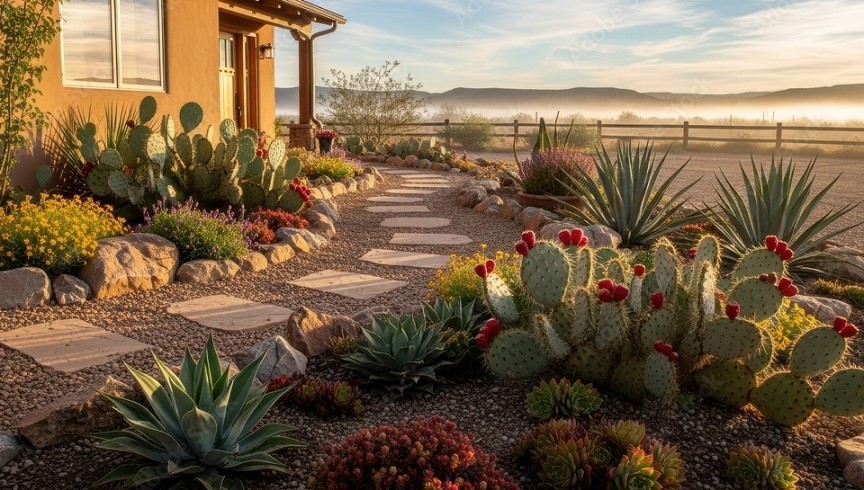
More travelers turn away from city tourist hubs. That is why Airbnb places its big bets on rural America—unveiling its first-ever “America Off-the-Map” list.
A recent survey commissioned by Airbnb points to the changing mood with more people demanding quieter, more secluded, nature-based travel experiences. Nearly 9 in 10, or 86 percent, are interested in rural getaways. Among Gen Z, it is even higher— 94 percent
The 2025 data further reinforced the shifting trend: about 6 in 10, or 64 percent, of Airbnb guests in the US traveled within 300 miles of their destination. This number underscores a growing preference for shorter, close-to-home trips.
Airbnb said short-term rentals help redistribute tourism to areas that have long been overlooked, such as in rural communities where hotels are scarce or nonexistent. It is in these destinations where home-sharing options become critical access for visitors. According to the company, 63 percent of census tracts with active Airbnb listings across the US have no hotels.
Tourism lifeline for rural communities
The gallop of wild horses and gentle birdsong drifting through the window make mornings arrive gently in the quiet village between Albuquerque and Santa Fe. But that is more than just scenery for Airbnb host Randy Dubiskas; it is the experience.
Dubiskas and his wife, Michelle, turned that feeling into their source for bread and butter through Casa de Bobcats and Bluebirds, a rental property tucked into the northern ridges of the Sandia Mountains. The place is too close to the city — a 30-minute drive from Albuquerque — but too far to feel like another world.
“People go on vacation to relax, but in an area like this, it’s in the air,” he said. “You can’t help but relax.” Guests rarely ask about city attractions. Instead, they want to know where to hike, where to wander, where to simply be still. “People come to us for a different type of experience,” Dubiskas said.
In parts of rural America, short-term rentals have become both an alternative and the backbone of the local tourism economy. The economic impact is substantial. In 2025, Airbnb hosts earned over $9.9 billion in areas without hotels—nearly 4 in 10 of all US host earnings—bringing tourism money to communities typically bypassed by traditional travel.
It does not stop at accommodation when it comes to travel spending. Ninety-five percent, or nearly 10 in 10, are prone to shop and dine locally, which benefits small businesses and farms. In 2024, for example, travelers said they are spending an average of over $775 per trip in local shops.
“More and more, people are opting for something off the map,” said Airbnb policy head Laura Spanjian. “And New Mexico really has that.”
New Mexico’s mix of culture, history, and wide-open landscapes uniquely positions it to benefit. More than half of the state lacks hotel accommodations, leaving space for short-term rentals to fill in — more than just as places to stay, but as gateways to local life.
Dubiskas has seen that. His guests have come from all over the world — including a Serbian film producer — as well as from nearby places.
“Short-term rentals have fundamentally changed who gets to benefit from tourism,” said Jordi Torres, Airbnb Managing Director, Americas. “We want to help spread tourism opportunities to new areas, to lessen the burden on crowded hot spots and give these communities the chance to benefit from this growing trend.”
This latest push showed that Airbnb is positioning rural tourism not only as a travel trend. It is also a pathway to more inclusive economic growth.