


A powerful El Niño is raising fears of disrupted shipping, collapsing fisheries and another round of record-breaking heat — a weather nightmare scientists have been watching for, and its effects are already being felt across the Pacific.
A powerful El Niño is developing, with unusually warm ocean waters that could potentially disrupt weather patterns, fisheries, and economies around the world. The climate event could bring droughts, floods, wildfires, and extreme heat to different parts of the globe, with some effects potentially lasting into 2027.
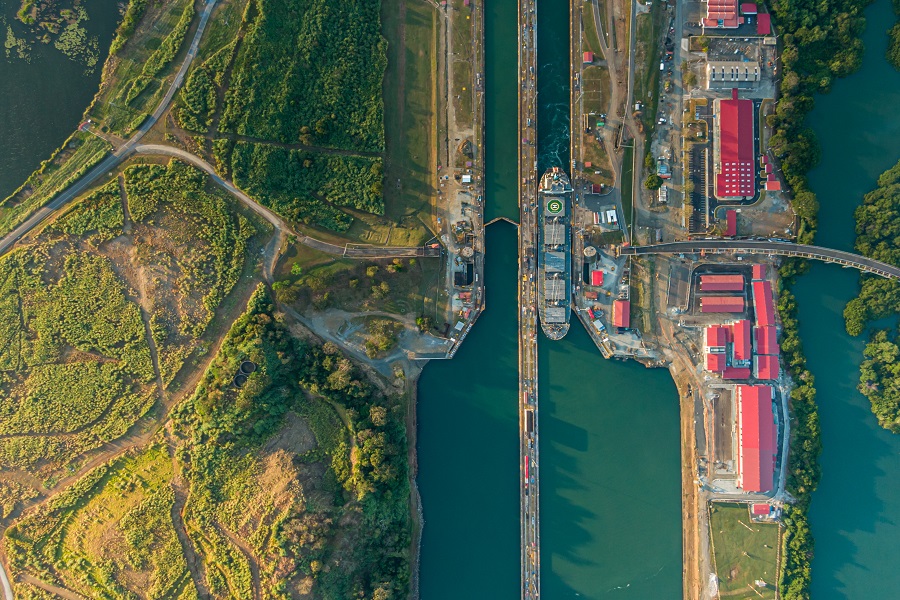
One of the clearest warning signs is emerging in the Panama Canal, as drought has reduced water levels, forcing authorities to impose restrictions on the number and size of vessels that can pass through. Ships carrying heavy cargo may have to reduce their loads, while delays and higher transit costs add pressure to global supply chains.
The effects also ripple through some of the world’s most important fishing grounds, including those off Ecuador and Peru.
Off Ecuador, tuna fleets are traveling farther from shore as warmer waters alter fish distribution. In Peru, the anchovy industry, one of the world’s largest single-species fisheries, has faced disruptions as changing ocean conditions affect stocks and fishing operations.
The disruption extends beyond the fishing fleets. Seabirds and other marine animals can also be forced to follow their prey as ocean temperatures shift.
Then there is the heat. El Niño adds heat to an atmosphere already warmed by long-term climate change, intensifying the potential for extreme temperatures in some regions. Scientists are closely monitoring to see whether the combination contributes to another year of exceptional global heat.
The strongest El Niño events on record, including those of 1997-98 and 2015-16, were associated with major disruptions to rainfall, agriculture, fisheries, and economies worldwide.
The developing event has already produced familiar El Niño warning signs across the Pacific. Unusual weather conditions are being reported in other regions.
But El Niño does not affect every place in the same way. Some areas can face heavy rain and flooding, while others experience severe drought. That unpredictability is part of what makes the phenomenon so disruptive.
In communities that rely on predictable seasons, reliable fisheries, or uninterrupted trade routes, even a small change in temperature and rainfall can have major consequences. With the Pacific continuing to warm, scientists are watching to see how strong the event becomes and how far its effects spread.
The coming months could determine whether 2026 becomes another landmark year for extreme weather or whether the most dramatic effects arrive later. Either way, this is an El Niño worth watching.

