

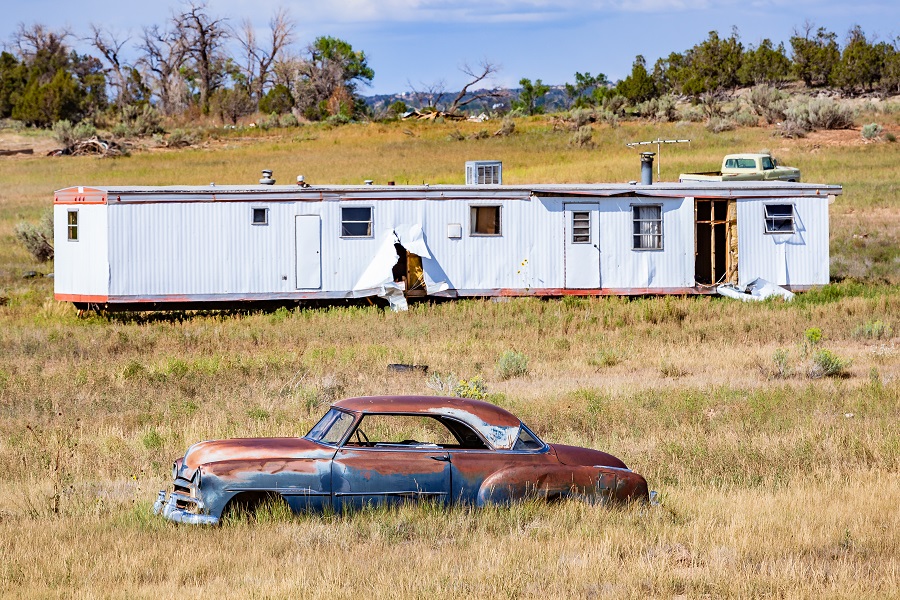
Piñon forests meet brushland dotted with aging barns against the wind in the high desert of New Mexico, and a tiny creature has shaped one of the fatal health risk patterns. Over the years, the state has documented the highest number of hantavirus pulmonary syndrome cases in the United States.
Health officials say New Mexico’s geography, climate, housing patterns, and close human contact with deer mice are a recipe for hantavirus risk. A rare but often fatal disease, hantavirus spreads primarily through exposure to infected rodent droppings, urine, or saliva.
Hantavirus pulmonary syndrome first entered national consciousness in 1993. At the time, a mysterious respiratory illness claimed the lives of several young people in the Four Corners region, where the borders of New Mexico, Arizona, Utah, and Colorado intersect. Years later, scientists identified the culprit as the Sin Nombre virus, pointing to deer mice as carriers of hantavirus.
The virus exists elsewhere, particularly across the American Southwest. But New Mexico has remained a hotspot.
A Landscape Built for Deer Mice
Public health experts point primarily to ecology. Much of rural New Mexico offers ideal habitat for deer mice — the small brown-backed mice with pale bellies (Peromyscus maniculatus) that carry the virus without becoming sick themselves. These virus-hosting deer mice thrive in semi-arid environments, grasslands, woodpiles, sheds, cabins, and outbuildings, which are common across the state.
Increased rainfall over time can worsen the risk. Wet seasons create conditions of abundant food sources for rodents, with all the vegetation around. The possibility of human exposure increases as mouse populations grow. Over the years, that pattern has repeated across the Southwest: bursts of rain after droughts, then rodent activity increases.
Hantavirus pulmonary syndrome is not like many infectious diseases that spread person to person. A person may contract the disease when contaminated dust is disturbed while sweeping cabins, cleaning garages, entering sheds, or opening long-unused buildings. These situations are common in rural New Mexico.
Rural Living Raises Exposure Risks
New Mexico is among the most rural states in the United States. Many people live near open land, agricultural areas, or forested terrain. In these areas, rodents regularly enter homes and storage structures.
Other factors, such as limited resources for pest control in some communities, may increase vulnerability.
The risk of contracting the deadly virus is especially acute in places where people may not realize mice have nested indoors during winter. Health officials have warned residents not to use vacuum cleaner or dry-sweep rodent droppings because it can aerosolize viral particles into the air.
Health officials advise residents to ventilate their enclosed spaces, wear gloves, and disinfect contaminated areas with bleach solution before cleaning.
Hantavirus: A Rare Disease — but a Deadly One
Hantavirus pulmonary syndrome is a rare disease. But it is deadly.
Early symptoms resemble influenza. Patients experience fever, muscle aches, fatigue, and headaches. Within days, they can rapidly develop severe respiratory distress as fluid fills the lungs.
The fatality rate of the disease in the United States is roughly 35 to 40 percent, according to the Centers for Disease Control and Prevention.
State health officials say early medical attention is life-saving because patients can deteriorate quickly. There is no cure for the disease. Treatment focuses mainly on intensive supportive care, including oxygen therapy and mechanical ventilation in severe conditions.
Climate Change May Be Complicating the Picture
Peer-reviewed studies have shown that climate variability could influence future outbreaks.
The American Southwest has experienced sharper shifts between drought and heavy rainfall. These conditions may periodically boost rodent populations. Wildfires and habitat disturbance may also affect how rodents interact with human communities.
Scientists cautioned that the relationship is complicated. Predicting outbreaks remains difficult amid climate variability, and every wet season doesn’t automatically lead to more infections.
Epidemiologists, however, warned that environmental instability may heighten long-term concern in states like New Mexico, where the virus is already embedded in local ecosystems.
A Persistent Threat in the Southwest
Over three decades after the Four Corners outbreak, hantavirus is still a quiet but persistent public health threat in the state.
Hantavirus is not like new diseases that dominate headlines during emergencies; it persists quietly, enough to avoid widespread alarm. But it is deadly enough that each new infection should draw attention to the hazards hidden in attics, barns, and abandoned buildings across the desert Southwest. In the state, that health hazard has never entirely disappeared.