

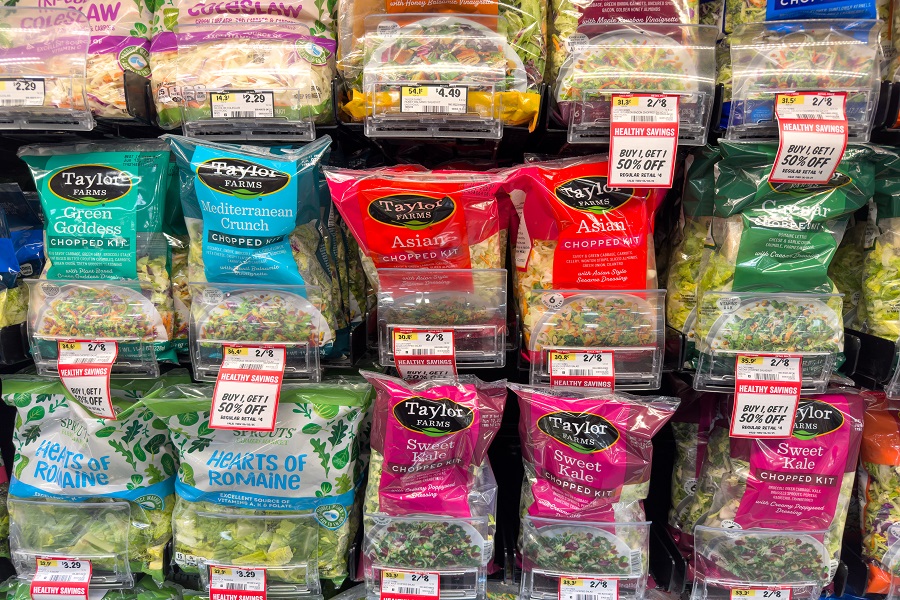
A voluntary recall of iceberg lettuce tied to a nationwide parasite outbreak probably will not cause major shortages in grocery stores, according to health and supply chain data. Officials are still investigating thousands of illnesses across the country.
Taylor Farms, a California-based company, voluntarily pulled all iceberg lettuce from central Mexico out of the U.S. market. The Food and Drug Administration had traced a multistate outbreak of cyclosporiasis, a parasitic intestinal infection, to an independent farm in that area.
Even with the high-profile recall, shoppers are unlikely to see empty produce aisles. Taylor Farms’ central Mexico operations make up less than 1 percent of all lettuce sold in the U.S. The recall might cause small supply issues or temporary menu changes at some restaurants, but it should not have a big effect on supermarket shelves.
The Centers for Disease Control and Prevention (CDC) found that lettuce sent to Taco Bell locations was one source of the outbreak.
A honeymoon interrupted
However, for people who got sick from the parasite, the effects have been serious.
Gretchen Pleuss from Wisconsin and her husband had only been married a few days when their honeymoon camping trip to Yellowstone National Park suddenly changed.
“I felt fine until we got out here, and a couple of days into camping here, I started having symptoms,” Pleuss said. She suffered from severe diarrhea and intense abdominal pain that landed her in an emergency room. She described the sensation as feeling as though her intestines were “really tight, like something is seizing them.”
Pleuss thinks she got the parasite after eating a sandwich with shredded lettuce while traveling. Instead of exploring Yellowstone’s hiking trails and geothermal sites, the couple spent their trip focused on her recovery, which put their vows of “in sickness and in health” to the test early on.
How far the outbreak has spread
The CDC said the outbreak has sickened nearly 3,000 people across the US. More than 5,000 potential cases are still under investigation.
Cyclosporiasis is caused by a tiny parasite called Cyclospora cayetanwhethersis. Common symptoms include watery diarrhea, stomach cramps, bloating, nausea, and fatigue.
Health authorities continue to monitor. Officials are still watching the situation and remind people to follow basic food safety rules, especially when traveling.

