

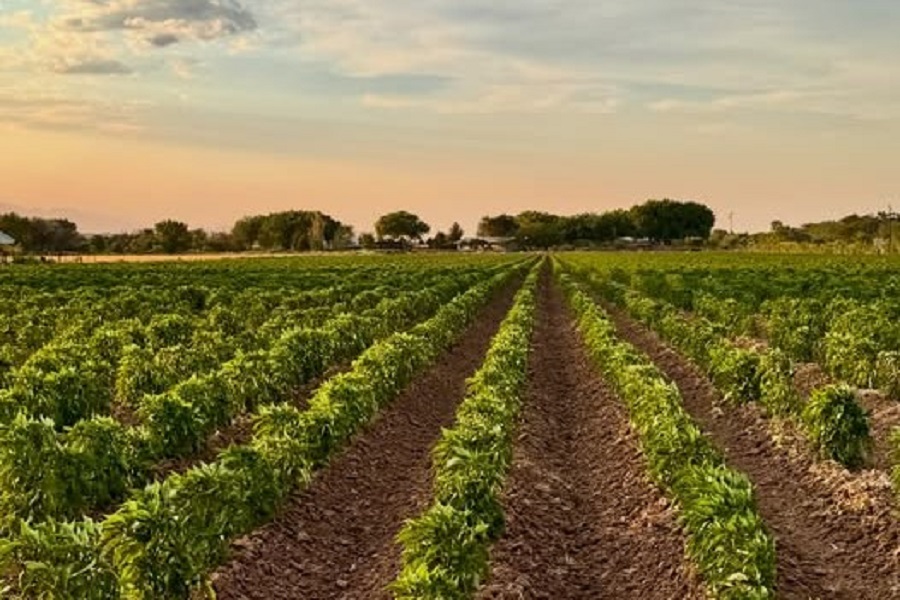
The New Mexico Chile Association said the state’s beloved red and green chile, which is central to the state’s food and culture, is facing a severe shortage, warning of a 20 to 50 percent shortfall this year, with wholesale prices rising and some roasting operations struggling to secure even half of their usual supplies.
The season began with a promising early harvest, but conditions have deteriorated because of extreme weather, crop diseases, insect pressure and reduced water supplies. The shortage could last well beyond the end of the roasting season.
Hot nights deal a brutal blow
Persistent heat has been the main challenge, especially the unusually warm nights during the critical summer growing season. Chile plants need cooler evenings to recover from scorching daytime temperatures.
This year, however, nights stayed warm, leaving plants under sustained stress. Some stopped growing, and others did not recover at all. As a result, this year’s harvest is much smaller than expected.
Scott Adams of Adams Produce said the harvest normally ranges from 34 million to 40 million pounds of chile. This year, he expects production to be closer to 30 million pounds.
Disease and pests pile on the misery
On top of the heat, several crop diseases have added to the damage. Researchers at New Mexico State University have reported outbreaks of Beet Curly Top Virus, bacterial leaf spot and chile wilt — diseases that can stunt plants, damage leaves and kill crops.
Insect pests have compounded the problem, attacking plants already weakened by harsh weather and limited water.
Drought tightens its grip on chile country
Water has also become increasingly scarce. Prolonged drought, low snowpack and restricted irrigation deliveries have forced farmers to rely more heavily on expensive drip systems and groundwater wells.
“Once the temperatures get above 100 degrees, we have to start watering a lot more than we need to, or want to, and so then that puts more disease pressure on the crop,” Adams explained.
In some parts of southern New Mexico, surface water deliveries have reportedly dropped to almost nothing. That leaves growers facing a painful choice: spend more to keep fields alive or watch their crops wither. Those rising costs are likely to move through the supply chain.
Labor shortages add to the crisis
Farmers are also struggling to find workers to harvest what remains. Seasonal labor shortages have forced some growers to turn to costly foreign agricultural labor, adding another financial burden to an already battered industry.
The challenges are affecting both green chile, the star of the current roasting season, and red chile, which develops as pods mature and ripen.
Retailers are already reporting sharply reduced deliveries as supplies tighten. One popular Albuquerque market reportedly received just 500 sacks a week, down from its usual 1,000.
An industry already fighting for survival
New Mexico remains the leading chile-producing state in the United States, with the industry valued at nearly $55 million last year. But the crop has shrunk dramatically from its heyday.
Acreage has fallen from more than 30,000 acres during the boom years of the 1980s and 1990s to fewer than 10,000 today. Climate pressure, water disputes, rising production costs and labor challenges have steadily squeezed growers.
This season, heat, disease, pests, and drought have delivered another punishing blow.
Could “red or green?” become “neither”?
In New Mexico, “red or green?” is more than a question. It is a cultural ritual, a culinary identity and a taste of home.
This year, the answer could become painfully complicated as prices rise, supplies shrink and the unmistakable aroma of roasting chile drifting across parking lots and neighborhoods becomes harder to find.
Farmers remain determined to keep the crop alive. But the state’s chile industry is being pushed to its limits, and consumers may soon feel the heat in their wallets.