


Warmer temperatures and increased rainfall create conditions favorable to insects; thus, state health officials warn residents that mosquitoes could remain active later into the year.
The state’s most common mosquito-borne disease, West Nile virus, generally peaks in late summer. However, with changing weather patterns and conditions, the risk of getting it could extend into fall, possibly continuing until the first hard freeze.
West Nile virus spreads through the bite of an infected mosquito. Most people who become infected do not develop symptoms. But some can experience fever, headaches, weakness, loss of balance, or more serious neurological complications.
Health officials said people with weakened immune systems might face a higher risk of developing severe illness from the virus. They also noted that recent research indicates that individuals taking medications targeting B cells may face a greater risk of severe illness from viral infections, including West Nile virus.
State Public Health Veterinarian Dr. Erin Phipps said continued heat and moisture could allow mosquitoes to remain active through October.
With these threats, residents are advised to speak with their medical professionals about whether medications or medical conditions affect their vulnerability.
In line with these, people experiencing symptoms such as fever, headache, weakness, loss of balance, or confusion should contact a doctor immediately.
Health officials also recommended using Environmental Protection Agency-approved insect repellent, wearing long sleeves and pants when mosquitoes are most active, and removing standing water around homes.
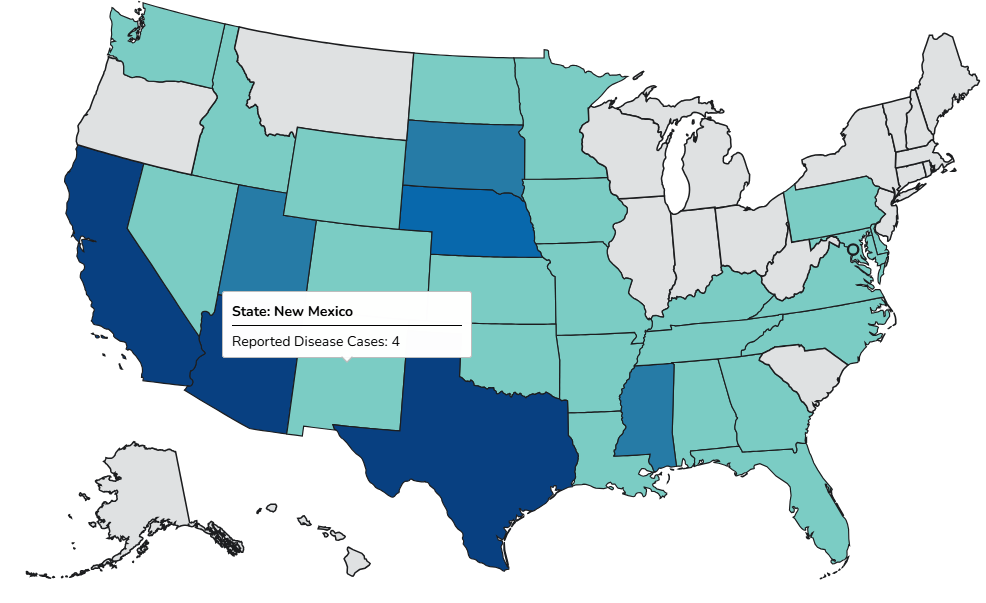
According to the Centers for Disease Control and Prevention, New Mexico has recorded four cases of West Nile virus.
The state Department of Health says it will continue to monitor mosquito and West Nile Virus activity throughout the season.
