

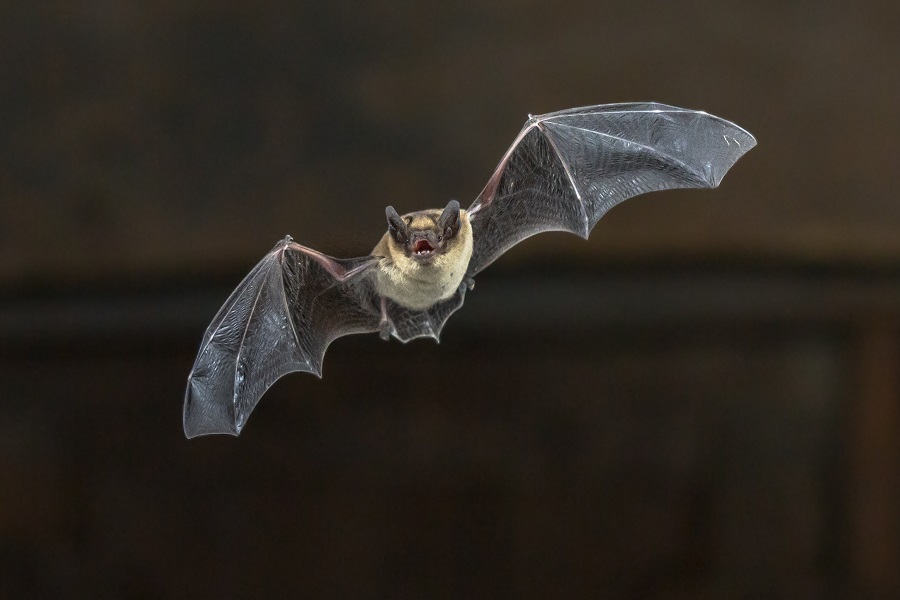
A small but potent health alert has emerged in the quiet suburban expanse of Sandoval County. State health officials confirmed this week that a rabid bat was found inside a private home in the county, the ninth confirmed animal case in New Mexico so far in 2026.
The discovery, while not unusual in a state where wildlife rabies circulates seasonally, serves as a stark reminder of the persistent, if low-probability, risks lurking in backyards and attics across the American West.
New Mexico Department of Health officials euthanized the bat and submitted it for laboratory testing after its discovery. The department has not publicly detailed any human exposures in this case, but it urges residents to remain vigilant. Health officials reminded residents that even a momentary encounter with a bat — an animal that can slip through gaps as small as a quarter-inch — warrants attention.
“Rabies is nearly 100 percent fatal, but 100 percent preventable,” said Dr. Erin Phipps, state public health veterinarian for NMDOH. “State law requires all dogs and cats to be vaccinated against rabies. Unvaccinated pets exposed to rabies must be euthanized or isolated for four months to prevent human exposure.”
Rabies Leaves Little Room for Error
Rabies is a viral disease that attacks the central nervous system. It is almost fatal once clinical symptoms appear. Some of the symptoms include agitation, hydrophobia, paralysis, and delirium. Rabies stands as one of medicine’s clearest triumphs of prevention because doctors can stop the virus before it reaches the brain by administering prompt post-exposure prophylaxis—wound cleaning, human rabies immune globulin, and a series of vaccines.
According to the Centers for Disease Control and Prevention, or CDC, bats are the leading cause of human rabies mortality in the U.S., even though the majority of reported rabid animals are not bats. Bats’ tiny teeth can leave invisible marks. And people often fail to realize the bite—especially when contact happens during sleep or involves children or others unable to report it.
New Mexico encounters rabies every year in reservoirs like bats, skunks, and foxes. In 2026 so far, cases include bats in Los Alamos and Sandoval Counties, skunks and a dog in Curry County, bobcats in Sierra County, and a fox in McKinley County. Historical data show bat rabies detections scattered across much of the state over the past decade, Sandoval County among them.
Not Every Bat is a Rabid Bat
The risk remains low in New Mexico because not every bat is rabid. Experts stress that only a small percentage of bats do. Bats are essential to healthy ecosystems, consuming large numbers of insects, including mosquitoes. But officials stress the significance of a zero-tolerance approach to potential exposure.
Key guidance from the state health department and CDC includes:
- Never touch a bat. If a bat is found indoors, especially in a bedroom or near people who might not recall contact, contain it safely for testing, if possible, and immediately contact animal control or health authorities.
- Never waste time seeking care. Wash any potential bite or scratch properly with soap and water, and get medical attention. For potential bat exposures without a clear bite, err on the side of consultation. New Mexico offers a helpline (1-833-SWNURSE) for guidance.
- Protect pets. Keep dogs, cats, and horses up to date on rabies vaccinations. Domestic animals can be a bridge between wildlife and humans.
- Keep homes bat-proof. Seal every possible entry and consider professional exclusion methods during seasons when bats are active but not raising young.
The seasonal increase in cases during warmer months coincides with increased bat activity and human time outdoors. In rural and suburban areas across the state, where homes often back up against open land, encounters with bats are part of living alongside nature.
Public health experts note that dramatic headlines about individual rabid animals help heighten anxiety. But the real story is one of manageable risk. Vaccination programs for pets and rapid response have kept human cases rare. Still, each confirmed animal case is a signal to renew awareness of the risks.
Health officials hope the Corrales bat will prompt proactive steps rather than panic amid the deepening of summer. In the hours when bats take flight, little caution can spell the difference between a minor wildlife encounter and a medical emergency.

