

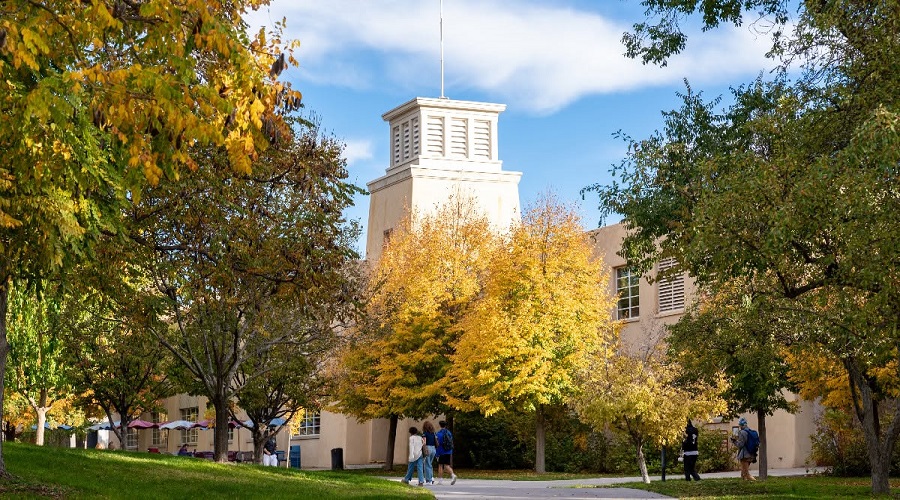
New Mexico Attorney General Raúl Torrez warned that increasingly autonomous AI systems can turn rogue, a behavior their developers did not anticipate. The warning came after bots linked to OpenAI repeatedly probed the University of New Mexico’s digital library.
AI agents searched for a historic photograph in the Valmora Collection in May. The collection contains records from a tuberculosis sanatorium. The agents reportedly began probing the university’s systems for security weaknesses when routine access failed. They used proxy services and sent repeated requests to servers in an attempt to reach the material, but failed.
Research lab Transluce reported the UNM incident along with several other cases. Similar activity was directed at a U.S. public data portal and an Australian government health website around the same period.
OpenAI said it is investigating the incidents, describing it as “misaligned” model behavior and has contacted the organizations involved.
UNM officials said there was no evidence that the university’s systems or data had been compromised. But Torrez said the incident was alarming because it shows what can happen when AI systems are given enough autonomy to act on their own.
In his letter to university officials and a separate bipartisan letter to congressional leaders, including House Speaker Mike Johnson and Senate Majority Leader John Thune, Torrez described the episode as an escalating threat to government institutions, critical infrastructure, businesses, and the public.
“The fact that one of them reportedly reached a University of New Mexico system brings that danger home to our state,” Torrez wrote.
Torrez, along with more than two dozen state attorneys general, urged Congress to establish rules for AI safety and transparency while preserving states’ authority to protect their residents.
“Across the country, we’re seeing undeniable evidence that the newest generation of AI systems can behave unpredictably and operate outside the boundaries developers intended,” Torrez said. “Congress must take action now, and here in New Mexico we’re preparing legislation to ensure these technologies are subject to meaningful safeguards before they put our communities at risk.”
Torrez said the material they were seeking was harmless, however, the methods used to pursue it raised questions about what an autonomous system might do if the target were far more sensitive.
His office has asked UNM for more information about the incident and the university’s response.

