

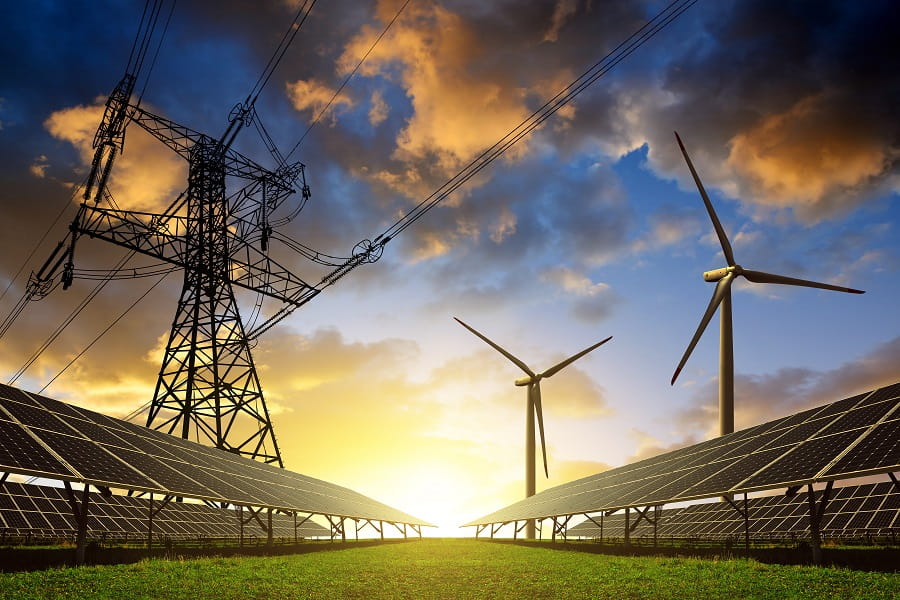
Gov. Michelle Lujan Grisham announced this week that New Mexico has surpassed its goal of generating 50 percent of its electricity from renewable sources by 2030 — achieving 52 percent in 2025, five years ahead of schedule. The milestone, she said, demonstrates that “clean energy and economic growth can move forward together,” while positioning the state as a leader in the nation’s energy transition.
“Our state set a goal of reaching 50 percent renewable electricity by 2030. We reached it five years early, with renewable energy accounting for 52 percent of New Mexico’s electricity generation in 2025,” Lujan Grisham wrote in her social media post.
Her claim is largely accurate, according to state and federal energy data. Experts note, however, a significant distinction between renewable generation shares, utility-specific compliance, overall grid reliability and the state’s continuing reliance on fossil fuels.
The Policy and the Numbers
New Mexico’s Energy Transition Act, signed in 2019, rolled out an ambitious Renewable Portfolio Standard (RPS). It requires investor-owned utilities and rural electric cooperatives to get at least 50 percent of their electricity from renewables by 2030, rising to 80 percent by 2040, and 100 percent carbon-free electricity by 2045 for major utilities.
Several state and independent analyses support the governor’s headline figure. In 2025, renewable sources — mainly wind and utility-scale solar — accounted for approximately 52 percent of the state’s electricity generation, according to multiple trackers, including Low Carbon Power and state reports on U.S. Energy Information Administration (EIA) data. Quarterly figures for 2025 showed renewable shares reaching as high as 53 percent at some point.
According to recent estimates, wind power now accounts for nearly 4 in 10 of New Mexico’s in-state electricity generation, followed by natural gas at nearly 36 percent. Coal continues to decline, while solar has grown rapidly, contributing nearly 18 percent.
Rapid Growth from a Low Base
The achievement mirrors significant build-out. New Mexico enjoys abundant sunshine and high plains wind resources. The state has attracted significant private investment in renewables and transmission. It has retired major coal plants in recent years, and new solar, wind, and battery projects have come online.
Clean energy jobs in New Mexico, according to an E2 report, grew 15 times faster than the rest of the state’s economy in 2024, rising 4.6 percent compared with 0.3 percent. The sector added 613 jobs to the workforce. Proponents underscore billions in investments and New Mexico’s role in exporting clean energy to Western states.
“The numbers speak for themselves with clean energy growing significantly faster than New Mexico’s overall economy,” said Susan Nedell, E2’s Senior Western Advocate. “Clean energy continues to be an economic engine for New Mexico,” she stressed.
Differences and Caveats
The 52 percent number holds for overall in-state electricity generation; variations, however, exist:
- RPS compliance vs. total generation: New Mexico’s RPS applies to electricity delivered to customers by regulated utilities. Total generation figures can include exports, behind-the-meter solar and other sources. Utilities such as Public Service Company of New Mexico have reported even higher carbon-free percentages in certain deliveries.
- Intermittency and backups: Wind and solar output fluctuate with the weather. Natural gas plants continue to provide dispatchable power and grid stability. Critics of rapid renewable transitions say full-system costs — including transmission, storage and backup — are not always reflected in simple percentage headlines.
- Broader energy economy: Electricity is only part of the picture. New Mexico remains a major producer of oil and natural gas, particularly in the Permian Basin. Fossil fuels still dominate the state’s primary energy production and contribute heavily to its economy, tax base and exports.
Analysts have viewed New Mexico’s progress as genuine but as part of a national picture accelerated by federal tax credits. Similar gains also occurred in other sunny, windy Western states.
Political and Economic Implications
Gov. Michelle Lujan Grisham’s announcement underscores her administration’s environmental and economic development priorities. New Mexico has been an energy exporter, and officials project renewables as the next chapter.
Both Lujan Grisham’s opponents and energy analysts warn that reliability, affordability for ratepayers, and managing the decline of legacy energy sectors have challenges. Grid operators continue to stress the need for diversified resources.
New Mexico’s renewable share as of mid-2026 ranks among the nation’s leaders in variable sources. States with large hydroelectric or nuclear capacity mostly report higher overall low-carbon percentages.
The governor’s office did not immediately respond to requests for more detail on long-term reliability projections or rate impacts. State energy officials cite ongoing transmission projects and storage deployments as key to sustaining momentum.

