

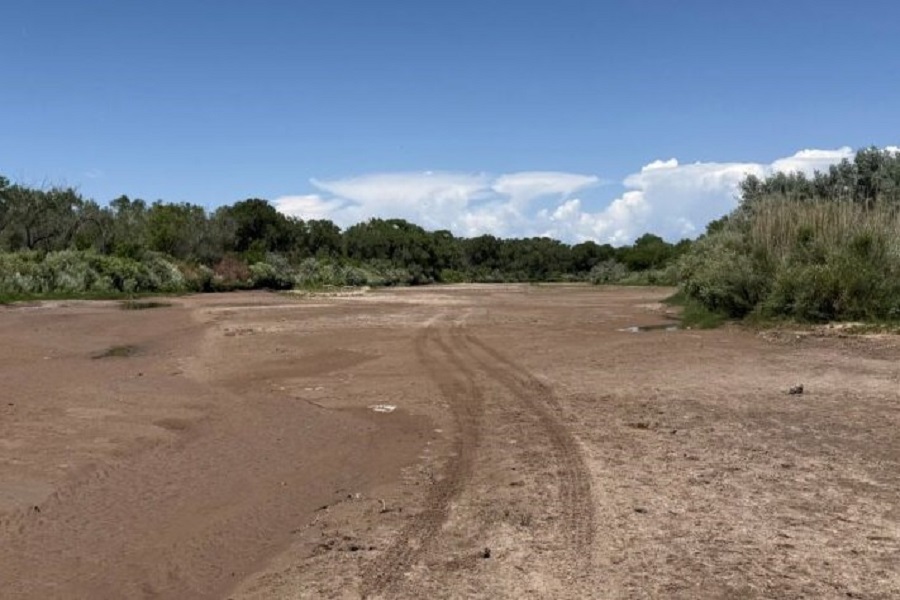
A hotter, drier future is already here, reshaping life across the American Southwest, where rivers are shrinking, snowpacks are changing and communities have to reconsider how to utilize their most precious resource.
This reality is visible in the Rio Grande, where it has repeatedly run dry through the city for months at a time, leaving the city increasingly dependent on underground water reserves to keep taps flowing.
“When river flows are low or non-existent, the utility must turn to its groundwater reserves to meet customer demand,” said Barbara Baca, chair of Water Authority’s governing board. “We must do all we can to save these reserves for use in future droughts, and that’s why a dry Rio Grande should put everyone on notice that conservation is more important now than ever.”
The shift has shown that the river whose flow depends largely on mountain snowpack, rainwater, and seasonal conditions, is limited.
When the river run dry
More than a waterway cutting through New Mexico, Rio Grande is the lifeline of farms, wildlife habitats and communities. But warmer weather is changing the conditions that help sustain it.
The amount of water available later in the year, when demand is at its highest, may reduce with lesser mountain snow, earlier snowmelt, and increased evaporation, which could lead to tighter irrigation supplies for farmers, and shrinking waterways..
“This year we switched exclusively to groundwater in late April, early May,” David Morris, who is with the Albuquerque Bernalillo County Water Authority, said. “Usually we’re able to go until June, so it was a little earlier than usual.”
The aquifer beneath Albuquerque
Albuquerque’s underground aquifer serves as a crucial water reserve. But groundwater is not an unlimited resource. Its recharge depends on rainfall, river flows, geology and other local conditions.
In some areas, replenishment can take years or much longer, which makes conservation important even when officials say near-term supplies remain secure.
Using less water reduces demand on wells and gives managers more room to respond during dry periods. It also complements investments in water recycling, storage and infrastructure improvements.
Those projects take time. Conservation can begin at home.
What residents can do
Water managers are not asking residents to panic. They are asking them to pay attention to simple changes that can significantly reduce household consumption.
Measures such as watering lawns and gardens less frequently, repairing leaking faucets, toilets and irrigation systems, replacing water-hungry landscaping with drought-tolerant plants, installing efficient fixtures and appliances, and following local watering restrictions could help conserve water.
Although these steps will not solve the region’s broader water challenges, they can help reduce demand while cities work on longer-term solutions.
Preparing for a drier future
The Southwest’s water challenges will not last for only a single dry season. Climate scientists warned that hotter temperatures affect snowpack, runoff and drought conditions across the region.
For communities such as Albuquerque, adapting means managing existing supplies carefully while preparing for changing conditions. This responsibility falls on water agencies, policymakers, businesses and residents alike.
The Rio Grande may continue to experience dry stretches. Mountain snowpacks may remain unpredictable, and summers may grow hotter. What matters now is how communities respond, and whether the water beneath them is managed with enough care to serve those who come next.
“Cooler nights and shorter days mean less irrigation is required to keep lawns healthy,” said Baca. “Ramping down our use now will help to ensure that the community meets its annual conservation goal.”

